Education
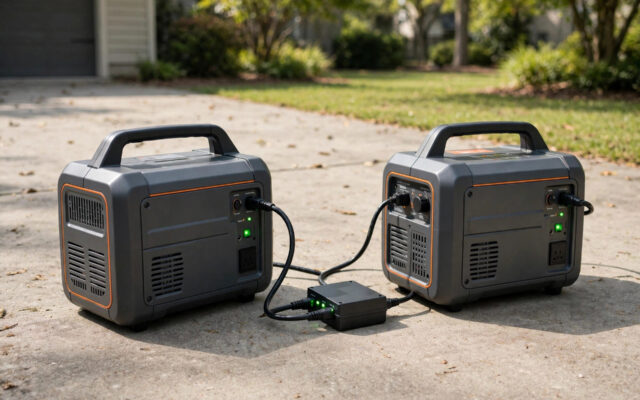
Paralleling Two Generators vs Buying a Bigger One: Which Is Better? (2027)
Paralleling two small inverter generators vs buying one bigger unit: compare cost, noise, fuel, redundancy, and the 240V catch to pick the right setup.

Category
13 articles
Paralleling two small inverter generators vs buying one bigger unit: compare cost, noise, fuel, redundancy, and the 240V catch to pick the right setup.
Extension cord gauge depends on amps AND length: 12 AWG handles 20A to 50 ft, but you need 10 AWG at 100 ft. Chart, sizing steps, and fire-prevention rules inside.
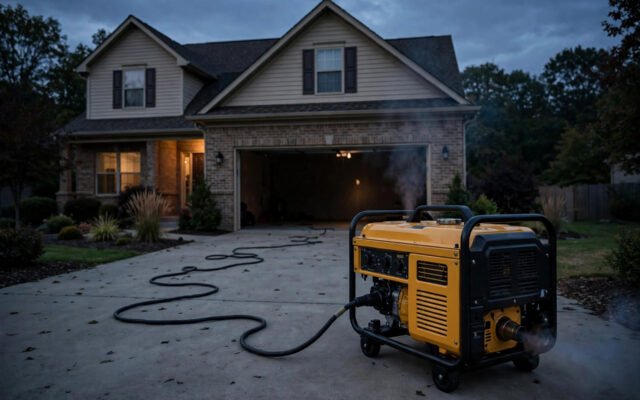
Carbon monoxide from generators kills ~77 Americans a year. This complete guide covers symptoms, the CDC 20-foot rule, detector placement, and a pre-outage safety checklist.
No — not even with the garage door wide open. Carbon monoxide builds fast in garages and drifts into the house. Here's the CDC's rule and what to do instead.
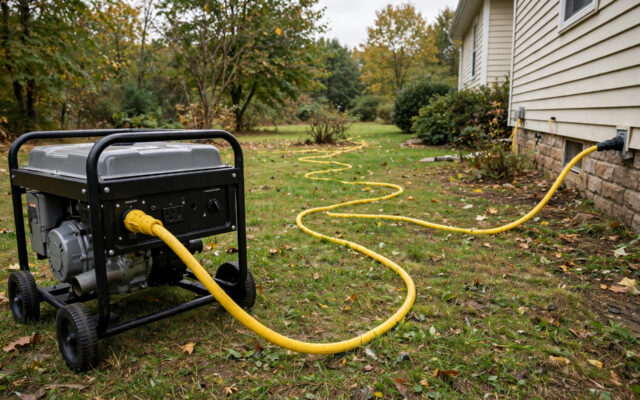
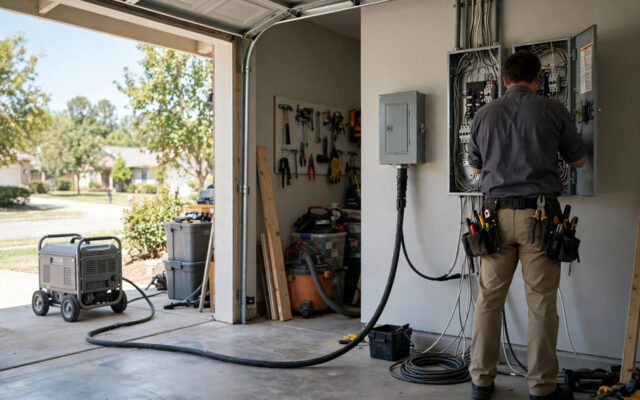
Backfeeding a generator through a dryer outlet is illegal in every state and can kill lineworkers. Here's why it happens, what NEC Article 702 requires, and the legal alternatives.
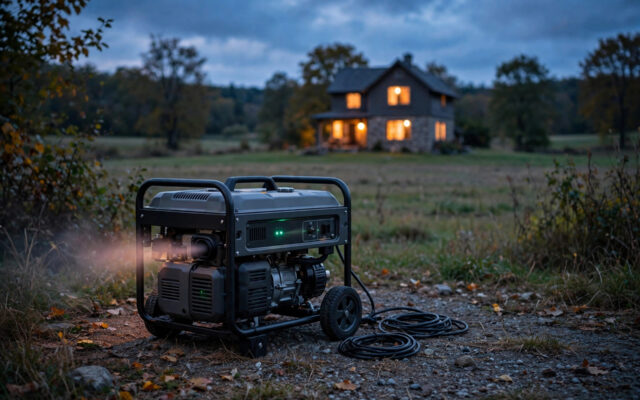
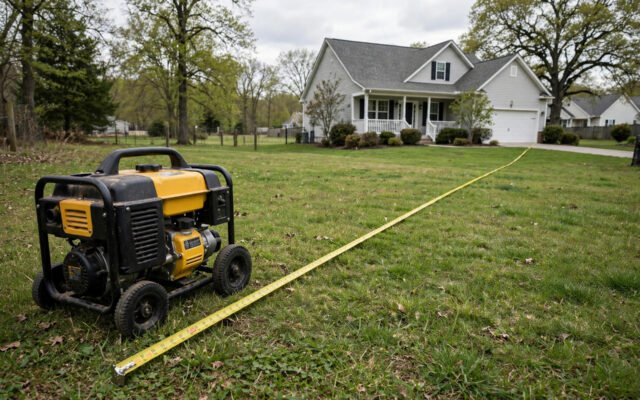
Keep your generator at least 20 feet from the house (25 is better per a 2025 federal report). Placement rules and storm-season mistakes.
Portable generators last 1,000-3,000 hours; standby diesels 10,000-30,000+. Learn what kills generators early and how to maximize lifespan.
The average US home uses ~877 kWh/month, but peak demand hits 10-15 kW. Learn why averages mislead and how to measure your real wattage.
Running a generator costs $0.35-$7+ per hour by size and fuel type. Use our simple calculator formula and fuel cost tables to estimate your exact cost.
Bonded vs floating neutral generator explained: what each means, the one-bond rule, which setup your transfer switch needs, and how to check your own unit.