


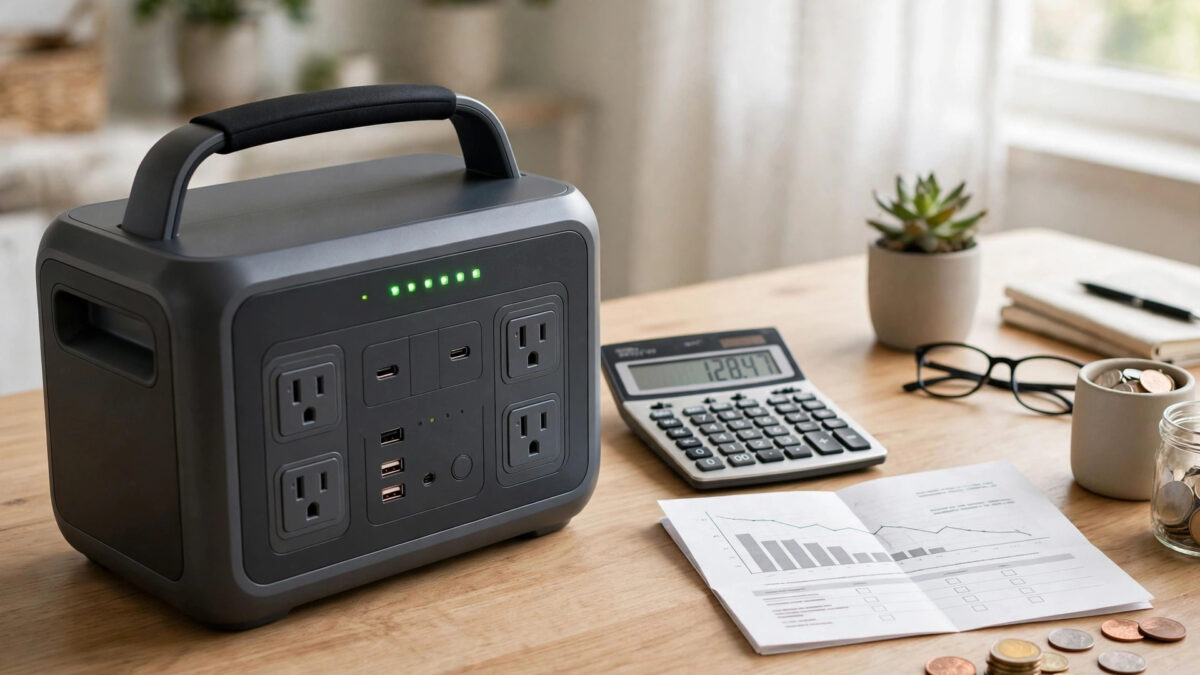
Solar generators have gone from niche camping gadgets to serious home-backup equipment in just a few years — and their price tags have grown right along with them. A capable unit can cost anywhere from $400 to $4,000, which raises the obvious question: are they actually worth the money in 2027, or would you be better off with a gas generator?
The honest answer is that it depends entirely on what you need one for. Solar generators win decisively in some scenarios and lose badly in others. This is the no-hype cost-benefit breakdown.
What Does a Solar Generator Actually Cost?
Prices in 2027 fall into three rough tiers:
- Budget (under $500): 500Wh-class stations suitable for phones, laptops, lights, and small appliances. Great first units — see our best budget solar generators under $500 picks.
- Mid-size ($800 to $1,800): 1 to 2kWh stations that run fridges, power tools, TVs, and CPAP machines. The sweet spot for most households.
- Large ($2,500 to $4,000+): 3 to 4kWh+ units with 240V output for well pumps, air conditioners, and partial home backup. Expansion batteries can push total system cost past $8,000.
Add solar panels and the picture changes: budget another $200 to $600 for portable panels, or $1,000+ for a serious rigid-panel array. A “solar generator” without panels is just a big battery — the panels are what make it a generator.
Cost Per kWh: Solar vs Gas
Here is where the math gets interesting. A gas generator costs less upfront — a decent 2,000W inverter generator runs $500 to $1,000 — but every kilowatt-hour it produces burns fuel. At current gas prices, a gas generator produces electricity at roughly $0.40 to $0.70 per kWh including fuel, oil, and maintenance.
A solar generator’s fuel is free. Its cost per kWh is the purchase price divided by lifetime energy throughput. Take a $1,500, 2kWh LiFePO4 station rated for 4,000 cycles: 2kWh × 4,000 cycles = 8,000kWh lifetime, or about $0.19 per kWh — and that ignores the free solar recharging entirely. Even at half the rated cycle life, it beats gas on energy cost.
The catch is utilization. That math only works if you actually cycle the battery. A $3,500 station that sits in a closet for five years and runs twice has an astronomical cost per kWh. Gas wins for rarely-used emergency-only backup; solar wins the more you actually use it.
Where Solar Generators Win
Indoor-safe operation. This is the killer advantage. Solar generators produce no fumes, no carbon monoxide, and almost no noise. You can run one in your living room, bedroom, or apartment during an outage — something no gas generator can ever do. For apartment dwellers, this alone settles the debate.
Silent operation. At 30 to 50 decibels, most stations are quieter than a conversation. Campgrounds, tailgates, outdoor events, and nighttime use are all fair game without annoying anyone.
Zero fuel logistics. No gas cans, no stabilizer, no 3 a.m. fuel runs during a multi-day outage. If the sun is up, you are refueling. During extended outages — hurricanes, ice storms — when gas stations lose power too, this becomes a decisive advantage.
Minimal maintenance. No oil changes, no spark plugs, no carburetor gumming up from stale fuel. Charge it every few months and it is ready. (See our solar generator maintenance guide for the full routine.)
Daily-use versatility. Unlike a gas generator that only earns its keep in emergencies, a solar generator works as a daily tool: job sites, RV trips, camping, backyard parties, mobile offices. Every use drives down its effective cost.
Where Solar Generators Lose
High upfront cost per watt. Dollar for dollar, gas delivers far more peak power. A $900 gas inverter generator produces 2,200W; a $900 solar station might give you 1,000W output and 1kWh of storage. If you need maximum watts per dollar, gas still wins.
Limited runtime without sun. A gas generator runs as long as you feed it fuel — days on end. A solar generator’s runtime is fixed by its battery. On cloudy stretches or at night with no recharge, a 2kWh station is done in hours under heavy load. Expansion batteries help but get expensive fast.
Slow “refueling.” Refilling a gas tank takes two minutes. Recharging a 2kWh station from solar takes 3 to 5 hours of good sun. Even wall charging takes about an hour. In a fast-moving emergency, that recharge lag matters.
Not ideal for whole-home backup alone. Running an entire house — central AC, electric water heater, stove — demands enormous battery capacity. It is doable with stacked expansion batteries, but at that point you are spending what a permanently installed standby generator costs.
Who Should Buy One in 2027?
Strong yes: apartment and condo dwellers who need indoor-safe backup; campers, RVers, and van-lifers; remote workers needing clean laptop power anywhere; homeowners in outage-prone areas wanting silent, fume-free backup for fridges, medical devices, and phones; anyone who will use it weekly, not yearly.
Probably not: anyone needing to run a whole house including central AC and electric heat for days; construction crews running high-draw tools all day (though solar works great as a supplement); buyers on a tight budget who only need rare emergency backup — a basic gas inverter generator delivers more for less in that narrow role.
The hybrid answer: many experienced owners keep both — solar for the 90 percent of outages that last hours, gas for the rare multi-day event. If you can only buy one and you live somewhere with reliable sun, solar covers the realistic scenarios better.
If you have decided solar is right for you, our best solar generators of 2027 roundup compares the top models across every size and budget.
Are solar generators worth the money?
For most people, yes — if you will actually use them. They cost more upfront than gas generators but have free fuel, near-zero maintenance, silent indoor-safe operation, and a cost per kWh around $0.15 to $0.25 over their lifetime. They are a poor value only if the unit sits unused for years.
Is a solar generator cheaper than a gas generator?
Upfront, no — gas generators cost less for the same wattage. Over time, solar is usually cheaper per kWh because fuel is free and maintenance is minimal. Gas wins for rarely-used emergency backup; solar wins for frequent use, indoor safety, and multi-day outages when fuel is hard to find.
What are the disadvantages of solar generators?
The main disadvantages are high upfront cost per watt, limited runtime determined by battery size, slow recharging (hours via solar vs minutes to refuel gas), and poor suitability for whole-home loads like central AC unless you invest heavily in expansion batteries.
Can a solar generator power a house?
Partially. Large 240V stations with expansion batteries can run essential circuits — fridge, lights, well pump, small AC — for hours to days. Powering an entire house including central air and electric heat requires a very large (and expensive) battery bank; a standby generator is usually more practical for that.
Do solar generators work at night or on cloudy days?
The battery works anytime — it is the recharging that needs sun. On cloudy days panels still produce 10 to 30 percent of rated output. For night use, the strategy is simple: charge fully during the day and budget your evening consumption against the battery capacity.
Our verdict
In 2027, solar generators are worth it for anyone who values silent, indoor-safe, maintenance-free power and will use the unit regularly — for camping, RV life, home backup of essentials, or daily off-grid work. They are not worth it as a rarely-touched emergency-only box, where cheap gas still rules, nor as a sole whole-home solution. Buy for your realistic use case, size the battery honestly, and the math works strongly in your favor.

Related Guides
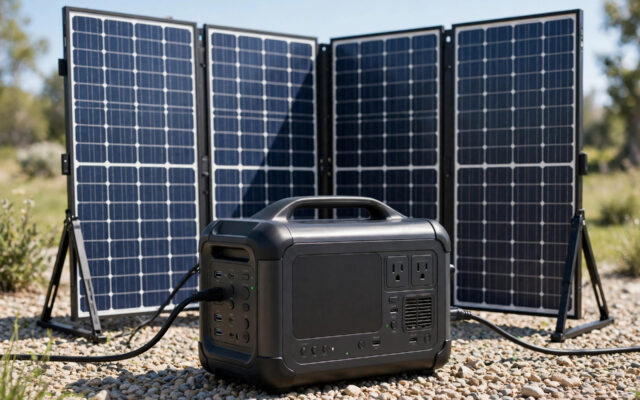
Best Solar Generator Bundles with Panels for 2027
Save money with the best solar generator bundles of 2027 — power station plus solar panel kits ready to use out of the box.

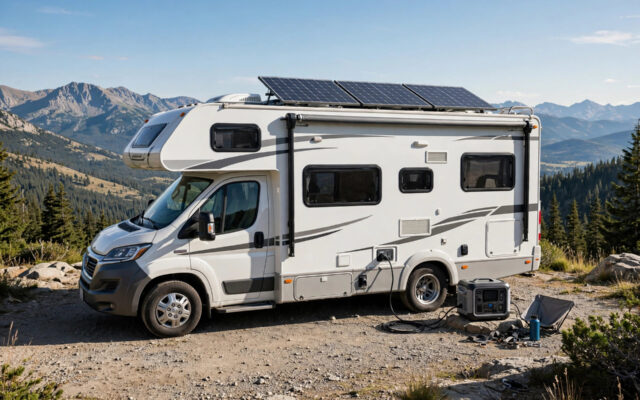
Best Solar Generators for RVs in 2027
Power your RV adventures with the best solar generators for RVs in 2027, featuring TT-30 outlets and fast solar charging.

Best Solar Generators for Camping in 2027
The best solar generators for camping in 2027: lightweight, quiet power stations that keep your gear charged off-grid.