


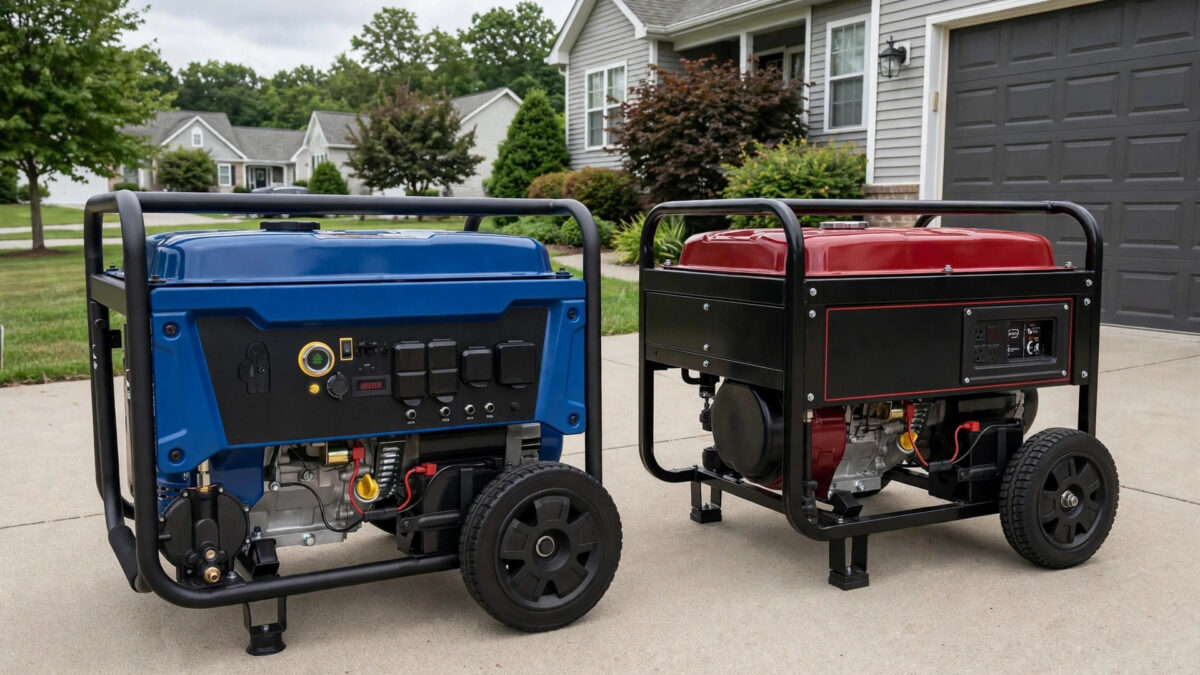
Honda vs. Champion gets the headlines, but the real street fight in the value tier is Westinghouse vs. DuroMax. These are the two brands that dominate the “big generator for the house” category — 9,000 to 13,000 watts, dual-fuel, electric start, transfer-switch ready. I’ve spent a lot of time with both lineups, and the honest answer is: they’re closer than their fans admit, but they win in different ways. Westinghouse is the more refined brand. DuroMax gives you more iron per dollar.
Key takeaways
- DuroMax typically delivers more watts per dollar — the XP13000EH is the value king of whole-home portables.
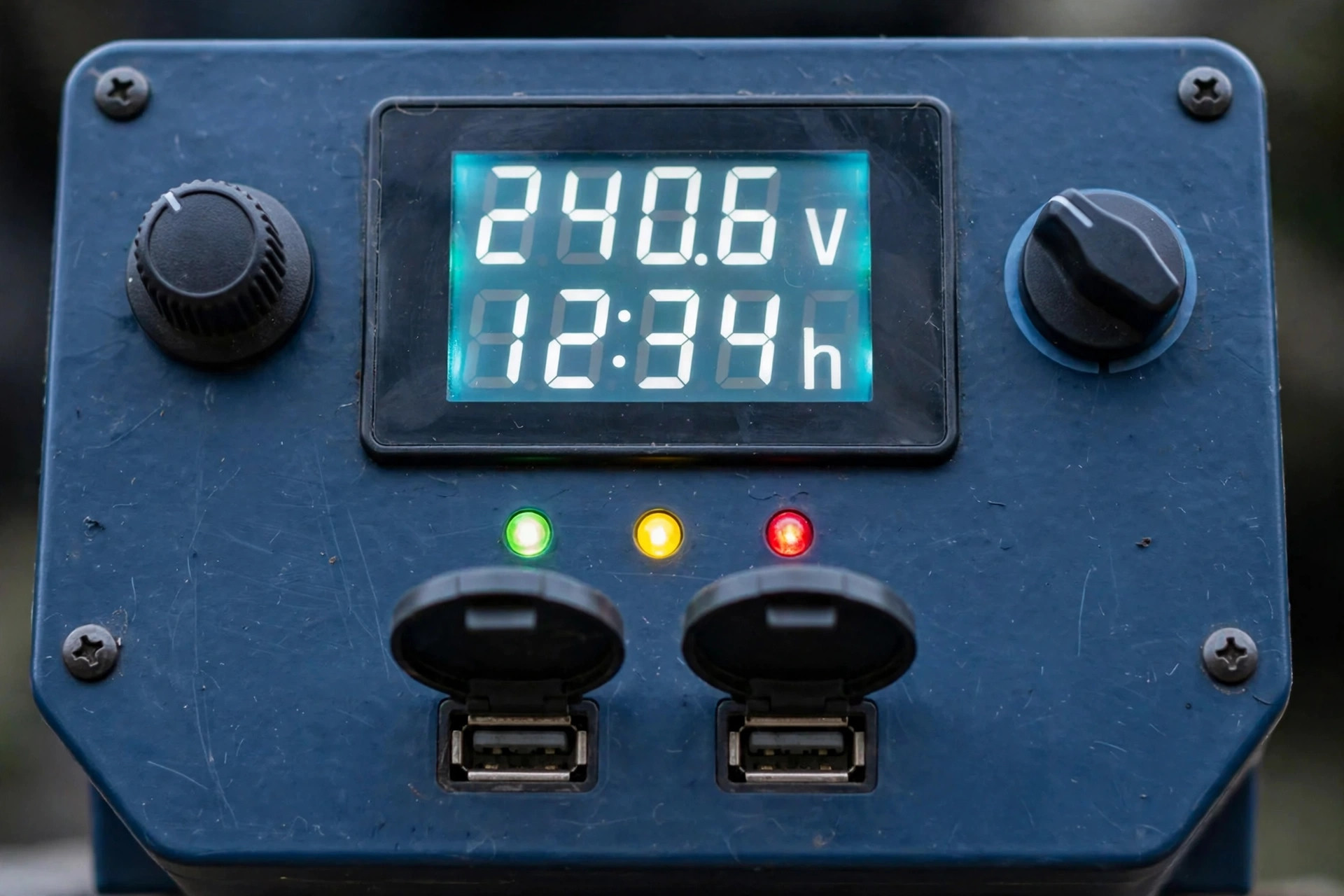
- Westinghouse leads on refinement: better control panels (VFT/LED data centers), quieter inverter options, and cleaner fit and finish.
- Both brands offer 3-year warranties and dual-fuel across their core lineups.
- Westinghouse has the deeper bench: tri-fuel models, a full inverter line, and the massive iGen11000 series.
- DuroMax’s all-metal construction and 100% copper windings are genuine durability advantages, not marketing.
Westinghouse vs DuroMax at a glance
| Factor | Westinghouse | DuroMax | Winner |
|---|---|---|---|
| Power per dollar | Strong | Strongest in class | DuroMax |
| Build refinement | Excellent panels, data centers | Utilitarian, all-metal | Westinghouse |
| Fuel options | Dual-fuel + tri-fuel lineup | Dual-fuel pioneer, wide range | Westinghouse (slight) |
| Inverter options | Deep (iGen series to 11,000W) | Growing but smaller | Westinghouse |
| Noise (open-frame) | Comparable | Comparable — both loud | Tie |
| Warranty | 3-year limited | 3-year | Tie |
| Copper windings | Yes (advertised on key models) | 100% copper, heavily advertised | Tie |
Head-to-head: WGen9500DF vs. XP13000EH
The most cross-shopped matchup is Westinghouse’s WGen9500DF against the DuroMax XP13000EH — both dual-fuel, both aimed at whole-home backup. On paper: the WGen9500DF makes 12,500 peak / 9,500 running watts from a 457cc engine, runs up to 12 hours on its 6.6-gallon tank, and weighs 210 pounds. The XP13000EH makes 13,000 peak / 10,500 running watts from a 500cc engine, runs about 8 hours at half load, and weighs 234 pounds. Both have remote/electric start, transfer-switch-ready 30A and 50A outlets, and CO shutoff.
The DuroMax gives you roughly 1,000 more running watts for similar money — that’s a whole extra appliance during an outage. The Westinghouse counters with longer runtime per tank, 24 fewer pounds, and a more informative VFT data center. Neither is objectively “better”; they’re optimized for different priorities.
Power per dollar: DuroMax
DuroMax built its reputation on one thing: maximum watts for minimum money. The XP13000EH routinely sells in the $1,400–$1,800 range for 10,500 running watts — under 17 cents per running watt. Westinghouse’s comparable models cost a bit more per watt. If your only metric is “how much house can I power for $1,500,” DuroMax usually wins the spreadsheet.
Refinement and user experience: Westinghouse
This is where Westinghouse pulls ahead and, frankly, where the price difference goes. Their control panels are the best in the value tier: the VFT data center shows volts, frequency, and hours; the newer LED data centers add fuel level, power output, and remaining runtime. Outlets have rubber covers. The fit and finish — panel gaps, paint, labeling — feels a half-step above. DuroMax panels are functional but spartan: a basic hour meter and individual breakers. It all works; it’s just less pleasant to live with.
Westinghouse also wins the inverter game outright. The iGen series runs from small suitcase units up to the 11,000-watt iGen11000TFc tri-fuel flagship — clean <3% THD power with inverter quietness at whole-home wattages. DuroMax's inverter lineup exists but is thinner. If you want clean power for electronics at high wattage, Westinghouse has more options.
Build quality: closer than the price suggests
DuroMax leans hard into its construction story — heavy-duty all-metal frame and power panel with no plastic parts, 100% copper windings — and it’s not empty marketing. Copper windings run cooler and last longer than aluminum, and the all-metal build survives jobsite abuse. Westinghouse uses copper windings on its key models too and matches the 3-year warranty. In owner reviews, both brands show low failure rates for the category. I’d call long-term durability a wash with a slight nod to DuroMax’s overbuilt frames.
Fuel flexibility
Both brands were early to dual-fuel and both do it well — gasoline or propane out of the box, with front-panel fuel selectors. Westinghouse edges ahead with a genuine tri-fuel lineup (gasoline/propane/natural gas), including the iGen11000TFc and big open-frame tri-fuel units. If you have a natural gas hookup and want the ultimate “never refuel” setup, Westinghouse is the only one of the two that offers it. For most buyers, dual-fuel is plenty — see our gasoline vs. propane guide for the fuel math.
Noise: a tie nobody wins
Let’s be honest: 9,000+ watt open-frame generators are loud regardless of brand. Both sit in the low-to-mid 70s dBA at rated load — you’ll hear either one across the yard. Westinghouse’s inverter models are dramatically quieter, but that’s an inverter-vs-open-frame comparison, not a brand comparison. If noise matters, buy an inverter (either brand) or budget for a running cover and distance.
Which should you buy?
Buy DuroMax if: maximum watts per dollar is the priority, you like the all-metal overbuilt construction story, or you found the XP13000EH on sale (it discounts aggressively). It’s the workingman’s whole-home generator.
Buy Westinghouse if: you value the better control panel and data displays, you want inverter options up to 11,000W, you want tri-fuel with natural gas, or the price gap is small. The WGen9500DF is the more livable machine day to day.
My tiebreaker: if the DuroMax is $200+ cheaper for the same wattage class, take the DuroMax and spend the difference on a transfer switch installation. If prices are within $100, take the Westinghouse for the better panel and broader lineup. And if you haven’t done the load math yet, our sizing guide comes before any brand decision.
Inverter lineups compared
Beyond the open-frame bruisers, the inverter lineups reveal the brands’ philosophies. Westinghouse’s iGen series is genuinely deep: suitcase-size 2,500W units up to the 11,000-watt iGen11000TFc tri-fuel flagship, all with <3% THD clean power. If you want inverter-quiet, electronics-safe power at whole-home wattages, Westinghouse is one of the few brands that offers it — period, at any price near this.
DuroMax’s inverter bench is thinner. Their inverter models are good values in the 2,000–5,000W range, but they don’t go as big or as refined. For most buyers this doesn’t matter — a 4,500W inverter covers RV and outage duty. But if your plan is “one generator, whole house, clean power,” Westinghouse’s iGen depth is a structural advantage DuroMax can’t match right now. Check our best portable generators roundup for where the inverter models land.
Customer service reputation
Both brands get above-average marks for support in the value tier, with different strengths. Westinghouse’s lifetime technical support is the real deal — owners report reaching knowledgeable humans who’ll troubleshoot over the phone, and the 3-year warranty claims process is straightforward. DuroMax’s support is solid but less celebrated; where DuroMax shines is parts commonality — their engines share widely available Honda-clone architecture, so independent small-engine shops can work on them easily and aftermarket parts are plentiful.
One practical note: Westinghouse’s documentation (manuals, wiring diagrams, videos) is better organized than DuroMax’s. When you’re troubleshooting at 11 p.m. during an outage, a clear manual beats a friendly phone line you can’t reach until morning.
Price tracking: when to buy
Both brands discount aggressively, and timing your purchase can save $150–$300. The pattern: prices dip during late winter and early spring (low demand season), spike during hurricane season (August–October) and after major storms, and drop again around Black Friday. Both brands run frequent promotions through Amazon and big-box retailers.
Practical advice: if you’re buying ahead of storm season, shop in March–May. Set price alerts on the specific models you want — the WGen9500DF and XP13000EH both move $100+ in either direction through the year. And don’t overthink small gaps: at these wattages, a $100 difference is noise compared to the cost of the transfer switch installation ($500–$1,500) that should accompany any whole-home generator. Buy the right generator at a fair price rather than the wrong one at a great price.
Noise in the real world
Numbers on a spec sheet don’t prepare you for a 10,000-watt open-frame generator at full song. Both brands’ big dual-fuel units sit in the low-to-mid 70s dBA at rated load — that’s somewhere between a vacuum cleaner and a busy street, running for hours. Your neighbors will know your power is out, and so will you.
Three things actually help. Distance is the biggest lever: every doubling of distance drops perceived noise significantly, which is why a 50-foot cord matters as much for your ears as for CO safety. Barriers help — a fence, a shed wall, or even a parked car between the generator and the house knocks the edge off. Load management matters too: these generators are loudest at full load, and most outage duty runs at 30–50%, where they’re noticeably quieter. A running cover adds weather protection but only modest noise reduction — don’t buy one expecting silence.
If genuine quiet is the priority, the answer isn’t a quieter open-frame unit — it’s an inverter. Westinghouse’s iGen line is the reason to look hard at that brand: inverter-quiet operation at wattages DuroMax’s inverter lineup doesn’t reach.
One last practical note: whichever brand you choose, register the warranty the day the generator arrives and save the receipt digitally. Both brands honor their 3-year terms without hassle when the paperwork is in order — and both will ask for proof of purchase first.
Frequently asked questions
Is Westinghouse better than DuroMax?
Which is quieter, Westinghouse or DuroMax?
Do DuroMax generators have copper windings?
Does Westinghouse make a tri-fuel generator?
What warranty do Westinghouse and DuroMax offer?
Our verdict
DuroMax for maximum power per dollar; Westinghouse for the better ownership experience. The XP13000EH is the value king if watts are all that matter. But most buyers will be happier long-term with Westinghouse’s superior panels, broader lineup, and tri-fuel options — especially when the price gap is small. Either way, you’re getting a lot of generator for the money compared to the premium brands.
How we researched this: We compared current specifications, pricing, warranty terms, and feature sets across both brands’ core lineups, with special attention to the WGen9500DF vs. XP13000EH matchup, and analyzed owner reviews for reliability patterns. No manufacturer provided test units or compensation.

Related Guides
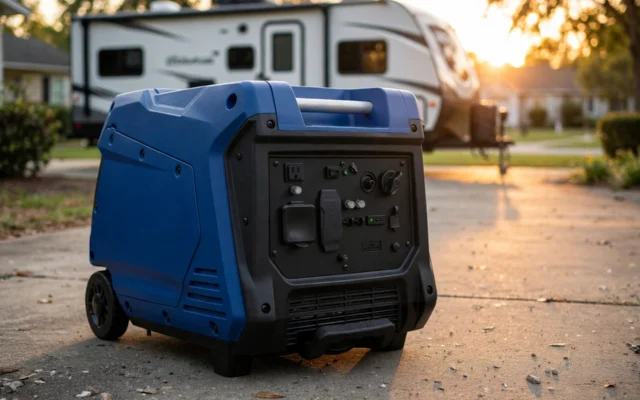
Westinghouse iGen4500DF Review: The Dual-Fuel Inverter to Beat in 2027
Westinghouse iGen4500DF review: 4,500W dual-fuel inverter, 52 dBA, remote start, RV-ready. We test the specs, noise, and value against Honda in 2027.

Champion vs Generac Generators: Which Brand Is Better in 2027?
Champion vs Generac: Champion wins portable value, Generac wins standby. We compare lineups, reliability, safety tech, and support to pick the right brand.
Inverter vs Conventional Generators: Which Should You Buy in 2027?
Inverter vs conventional generators: inverters win on noise, fuel use and clean power; conventional wins on watts per dollar. Here's how to choose in 2027.