


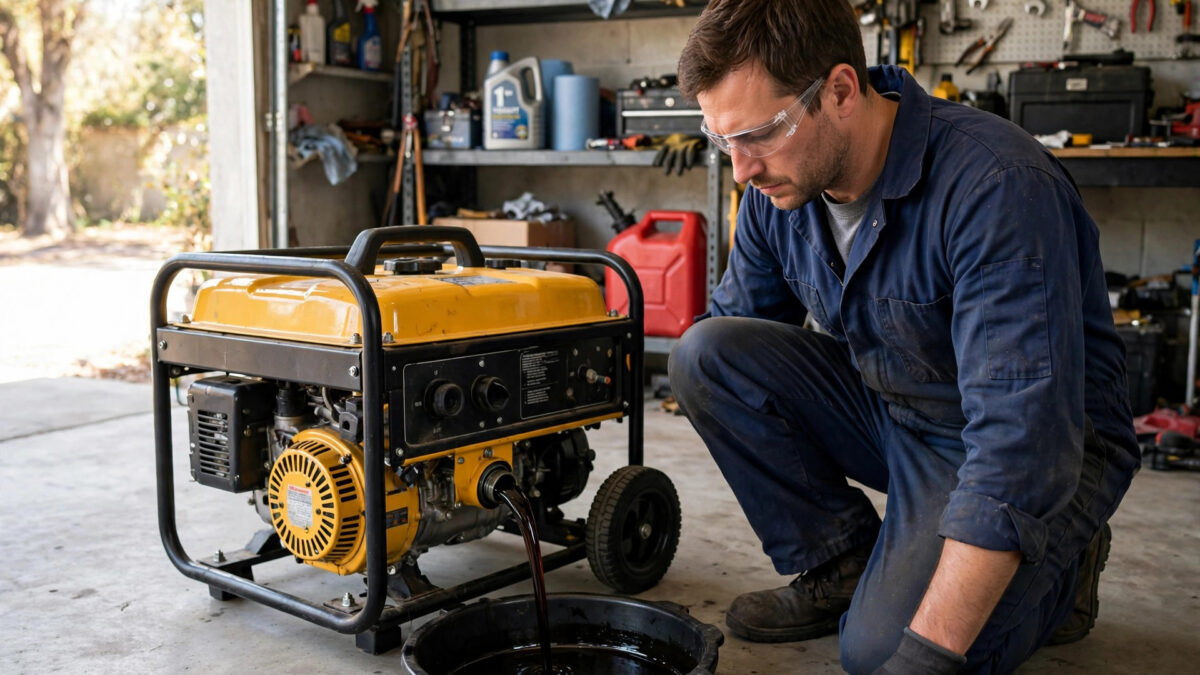
Change your generator’s oil after the first 20 to 30 hours (the break-in change), then every 100 hours of run time or every 6 months, whichever comes first. That one sentence covers most portable generators from Honda, Predator, Generac, Westinghouse, and Champion. The details — brand differences, severe-duty schedules, and which oil to use — are where people get tripped up, so let us get precise.
I have changed oil on everything from a 2,000-watt inverter to a 12,000-watt open-frame unit, and the pattern is remarkably consistent: skip the break-in change and the oil comes out glittery with metal; skip the calendar change on a stored unit and the oil comes out milky with condensation. Both are avoidable with a schedule you can stick to.
Key takeaways
- Break-in: first oil change at 20–30 hours (Honda says 20, Generac says before 30, Predator’s manual says 30).
- Normal service: every 100 hours or 6 months, whichever comes first — the calendar matters even if the generator sat unused.
- Severe duty (dust, heat, continuous outage running, heavy loads): cut the interval in half, to about every 50 hours.
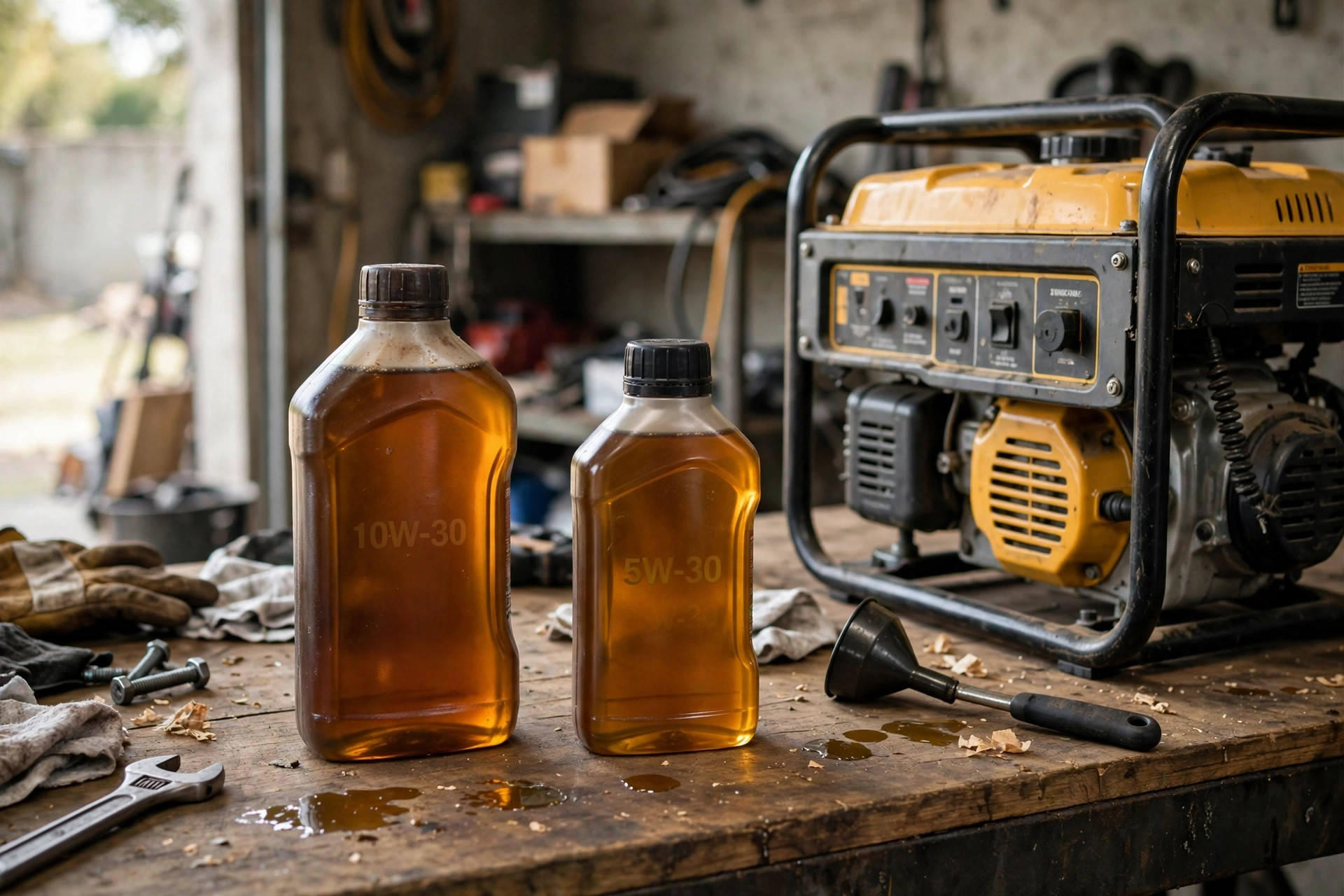
- Oil type: SAE 10W-30 for most climates, 5W-30 synthetic for cold weather. Always check the manual for capacity — most small units hold under a quart.
The master interval chart
| Situation | Interval | Notes |
|---|---|---|
| Break-in (brand new engine) | 20–30 hours | Removes metal particles from manufacturing and initial wear |
| Normal use | Every 100 hours or 6 months | Whichever comes first — time counts even in storage |
| Heavy load / continuous outage running | Every 50–80 hours | Sustained high RPM and heat break oil down faster |
| Dusty or dirty environment | Every 50 hours | Jobsites, farms, desert — dirt gets past the air filter |
| High ambient heat | Every 50 hours | Oil oxidizes faster above ~90°F sustained |
| Before long-term storage | Change it now | Used oil holds acids and moisture — do not store a generator on dirty oil |
| After storage (6+ months) | Change before first run | Cheap insurance against condensation contamination |
Brand-specific schedules
The “100 hours or 6 months” rule is the industry standard, but the fine print varies:
- Honda: first change at 20 hours or the first month, then every 100 hours or 6 months. Honda is the strictest on the break-in and the clearest in its manuals.
- Generac (portables): first change before 30 hours, then every 100 hours or annually. Generac’s standby units follow a separate service schedule (first 30 hours, then 100 hours/annual with filter).
- Predator (Harbor Freight): break-in change at 30 hours, then every 100 hours or 6 months. Their manuals are explicit — follow them, since warranty claims check maintenance.
- Champion / Westinghouse / WEN: generally 25–30 hours break-in, then 100 hours or 6 months. Check your specific manual; some larger units spec 50-hour intervals under load.
- Cummins Onan (RV generators): first change at 20 hours, then every 150–250 hours or annually depending on the model. These are a different class of engine with bigger sumps.
Why the break-in change matters so much
A new engine is full of microscopic metal: machining residue, burrs, and wear particles from parts seating in. The first 20–30 hours flush the worst of it out. I once skipped a break-in change on a cheap open-frame unit out of laziness — when I finally drained it at 60 hours, the oil had a visible metallic shimmer. That engine developed a knock by 300 hours. Correlation is not proof, but every small-engine mechanic I know treats the break-in change as non-negotiable, and so do I now.
Practical approach: run the new generator under moderate load (not maxed out) for its first few hours — I usually do a couple of 2-hour sessions with a space heater or a few lights — then change the oil at the 20–30 hour mark. Some owners do an extra-early change at 5 hours, then again at 25. That is overkill for most units, but it is cheap overkill: a quart of oil costs less than a pizza.
Why the calendar matters even when the generator sits
This is the interval people argue with me about. “It only ran 10 hours this year — why change the oil?” Because oil degrades sitting in a crankcase. Temperature swings cause condensation inside the engine; combustion byproducts make used oil acidic; and that acid etches bearings while the generator sits. Every major manual says “or 6 months” for this reason.
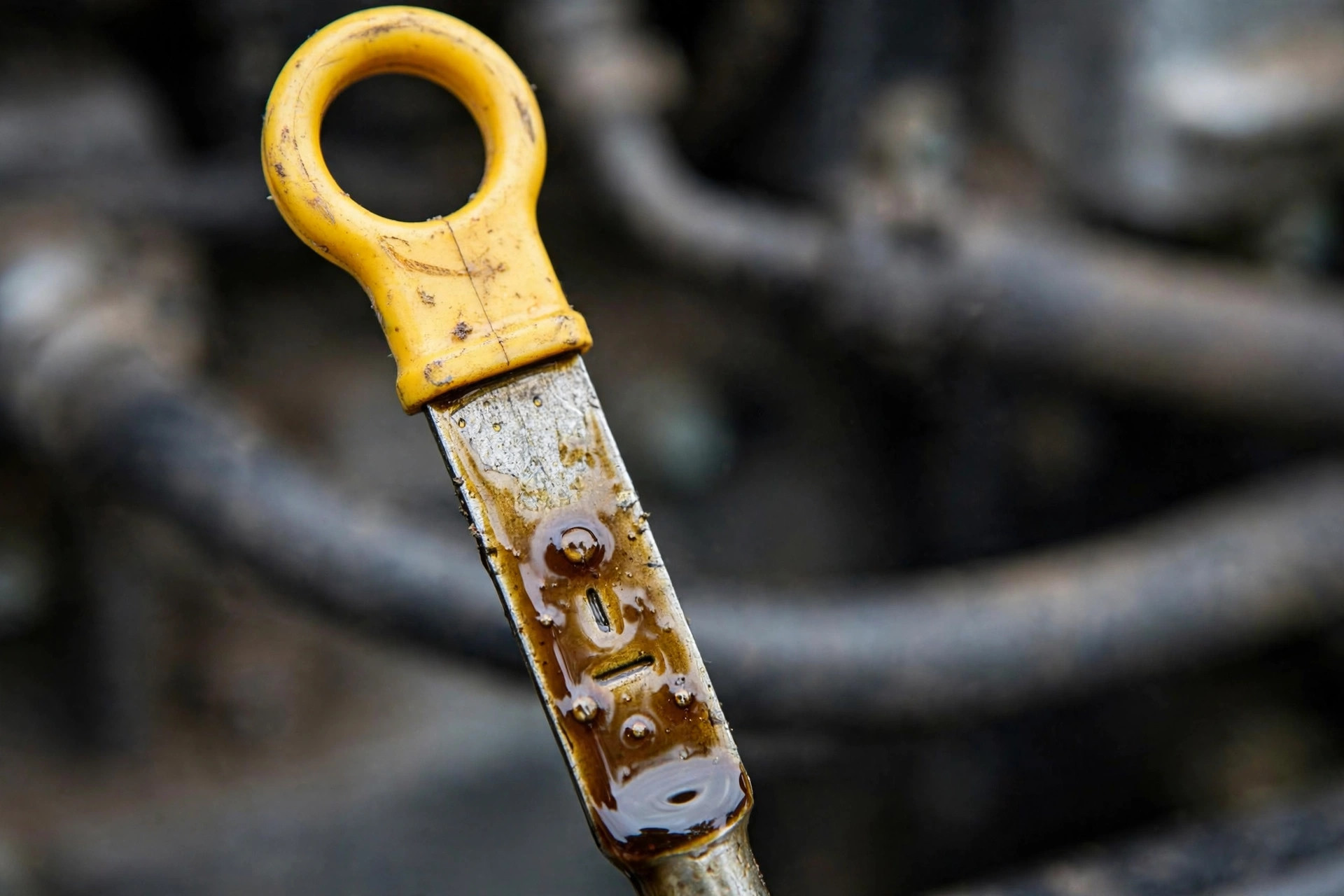
I change oil on my stored generators every spring whether they ran or not. It takes 15 minutes, and the drained oil always looks worse than the hour count suggests — darker, thinner, sometimes with a milky tint from moisture. That is the evidence that the calendar interval is real.
Which oil to use
| Oil | When to use it | Notes |
|---|---|---|
| SAE 10W-30 | General use, most climates | The default recommendation in most generator manuals |
| 5W-30 synthetic | Cold weather (below ~40°F) | Flows faster at startup when the engine needs it most; also fine year-round |
| SAE 30 | Hot climates, older flathead designs | Single-weight; do not use below ~40°F |
| 10W-30 synthetic | Year-round upgrade | Better high-temp stability and longer change intervals in hard use — my default choice |
Capacity is the other gotcha. Small inverter generators often hold comically little oil — a Honda EU2200i takes about 14 ounces, a Predator 2000 about 13 ounces. Larger open-frame units take 1 to 1.2 quarts. Overfilling a small sump causes smoking and fouled plugs, so measure: fill to the threads of the filler neck (not screwed in) per most manuals, and check the dipstick without threading it in on Hondas.
Synthetic vs. conventional? I run full synthetic 10W-30 in everything now. It handles heat better, flows better cold, and the cost difference is a couple of dollars per change. It does not let you skip changes, though — the 100-hour/6-month schedule still applies, because contamination, not just viscosity breakdown, is what you are fighting.
How to actually track hours
You cannot follow an hour-based schedule without knowing the hours. Options, in order of my preference:
- Built-in hour meter — some units have one; check the control panel.
- Inductive hour meter — a $10–15 gadget whose wire wraps around the spark plug lead. It counts automatically whenever the engine runs. I have these on all my units.
- Logbook — a notebook or a piece of tape on the generator where you write the date and hours after each run. Crude but effective.
- Fuel math — if you know your generator burns ~0.5 gal/hour at your typical load, 10 gallons of fuel ≈ 20 hours. Rough, but better than guessing.
For the full procedure, see our step-by-step oil change guide. And if you are sizing fuel for an outage, our generator size calculator helps you match the unit to the load — an oversized generator running at 20% load is actually harder on oil than a right-sized one working moderately.
How often should I change the oil in my portable generator?
What happens if you don’t change generator oil?
Can I use synthetic oil in my generator?
Do I need to change the oil if the generator sat unused all year?
How do I know how many hours are on my generator?
Oil is the cheapest part of owning a generator and the most neglected. Break-in at 20–30 hours, every 100 hours or 6 months after that, halve it in hard conditions — put that on a sticker on the generator and you will never have to think about it again.
How we researched this: Manufacturer service schedules (Honda, Generac, Predator, Champion, Cummins Onan), small-engine mechanic guidance, and hands-on maintenance across multiple generator classes.

Related Guides
Why Does My Generator Backfire? Causes and Fixes (2027)
Why does your generator backfire? An exhaust bang means unburned fuel in the muffler; a pop through the carb means lean mixture or valve trouble. Here are the fixes.

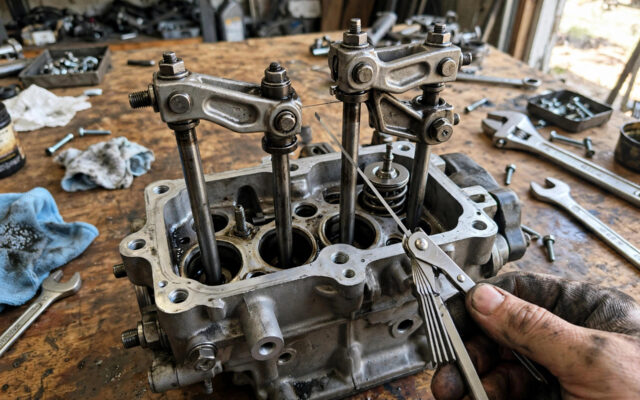
Generator Valve Adjustment: How to Set Valve Lash (2027 Guide)
Generator valve adjustment: 0.006" intake, 0.008" exhaust on Honda GX engines. Tools, TDC procedure, and symptoms of bad valve lash explained.
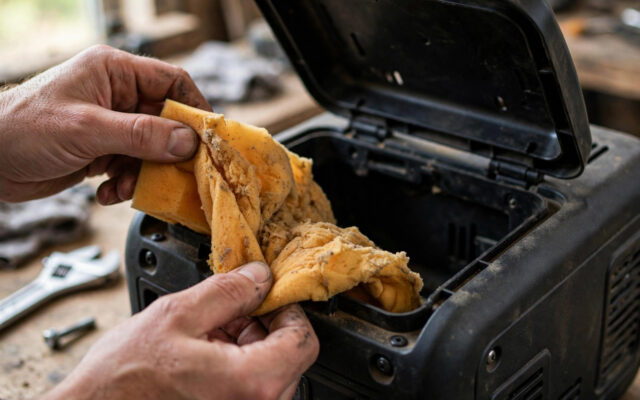
How to Clean and Replace a Generator Air Filter (2027 Guide)
How to clean a generator air filter: wash foam filters in soapy water and re-oil; tap out paper filters, never wash them. Full steps inside.