


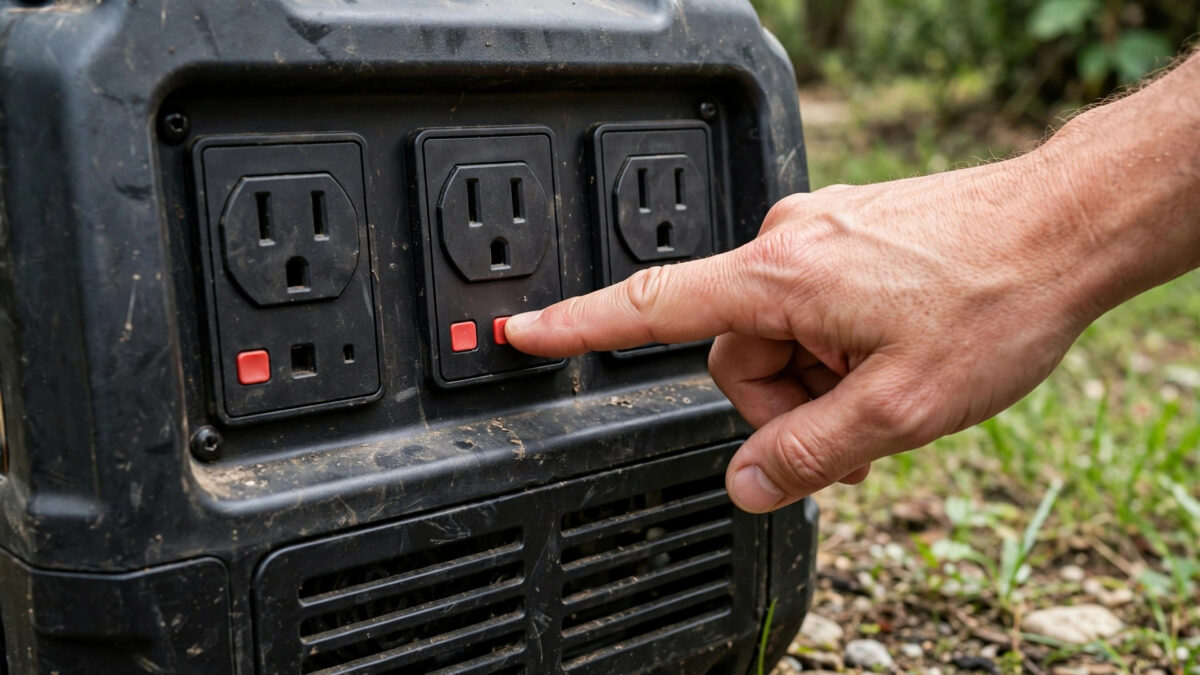
If your generator’s GFCI outlet trips the instant you plug something in — or the moment you connect the generator to your house — you are dealing with one of the most common generator headaches there is. The good news: in most cases the cause is specific and fixable, not a dying generator.
The short version: if it trips the moment you hook up to house wiring, you almost certainly have two neutral-to-ground bonds (one in the generator, one in the house panel), and the GFCI is doing its job by detecting the resulting ground loop. If it trips during standalone use with extension cords, the cause is usually moisture, a faulty appliance or cord, or a failing GFCI device. I have fixed both versions multiple times. Here is how to diagnose yours.
Key takeaways
- Trips instantly when connected to a house? Double bond: the generator’s neutral is bonded AND the house panel is bonded. Fix by floating the generator’s neutral (per manufacturer instructions) or using a 3-pole transfer switch.
- Trips with cords/tools only? Check for wet conditions, damaged cords, a faulty appliance, or an overloaded/worn GFCI receptacle.
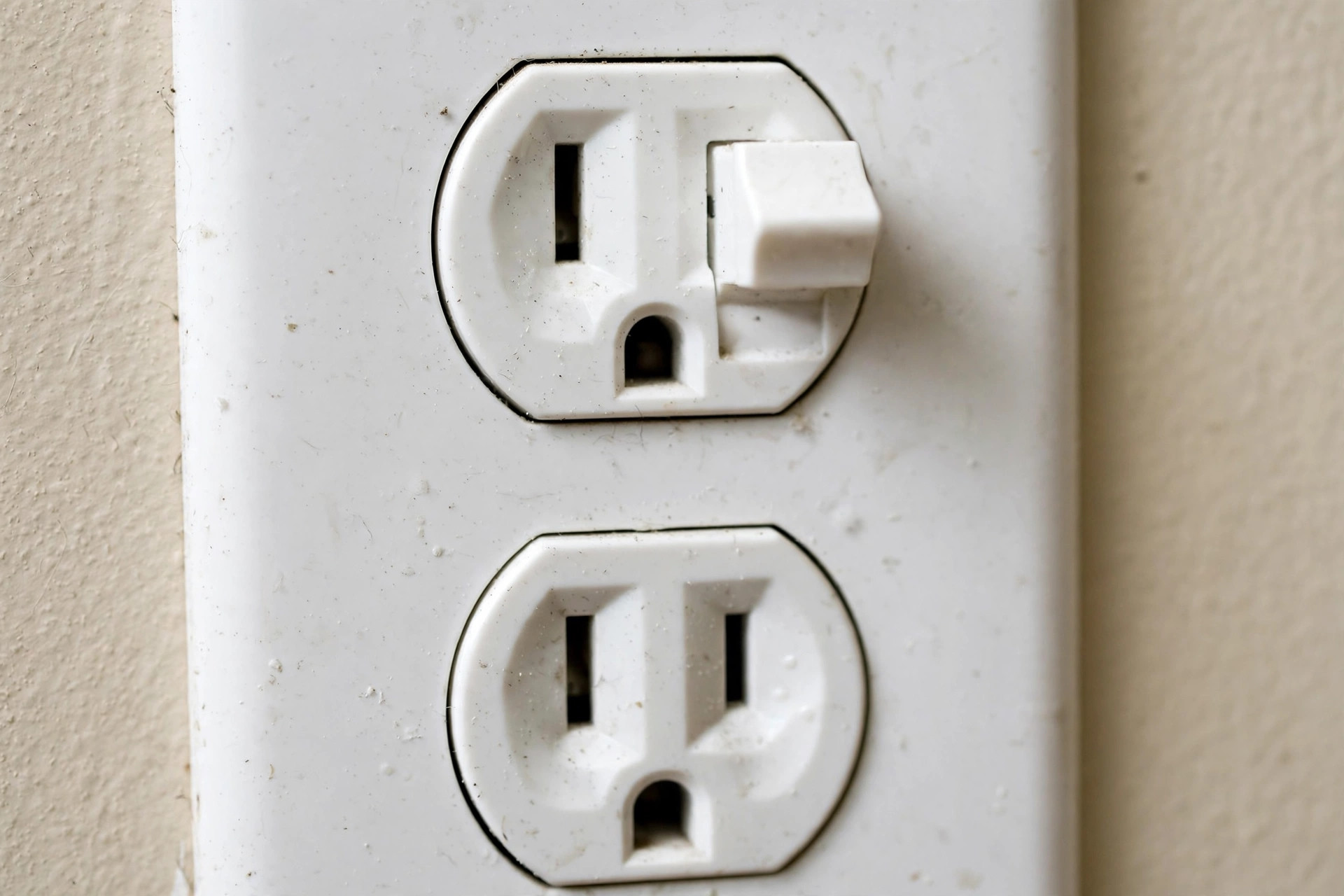
- A GFCI trips on current imbalance as small as 5 milliamps — it does not take much leakage to trip one, which is why they are sensitive.
- Never bypass, remove, or replace a GFCI with a standard outlet to “fix” tripping. The tripping is a symptom — find the cause.
First: figure out which scenario you are in
The fix depends entirely on how the generator is being used when it trips. Start here:
| When it trips | Likely cause | Fix |
|---|---|---|
| The instant you connect to house wiring / close the transfer switch | Double neutral-ground bond (generator + panel) | Float the generator neutral or use a 3-pole transfer switch |
| When plugging in a specific appliance | That appliance has a ground fault or leakage | Test the appliance on utility power; repair or replace it |
| In rain, dew, or damp conditions | Moisture in cords, connections, or the appliance | Dry everything, keep connections off wet ground and sheltered |
| Randomly, with different loads | Worn GFCI receptacle, loose bond jumper, or damaged cord | Inspect cords, tighten bond connections, replace the GFCI device |
| Immediately on startup with nothing plugged in | Internal fault or failed GFCI device | Have it serviced — do not bypass the GFCI |
Cause #1: the double bond (house-connected generators)
This is the big one, and it is worth understanding properly. A GFCI works by comparing current going out on the hot wire with current coming back on the neutral. If more than about 5 milliamps goes missing — leaking to ground somewhere — it trips. That is its entire job, and it does it in milliseconds.
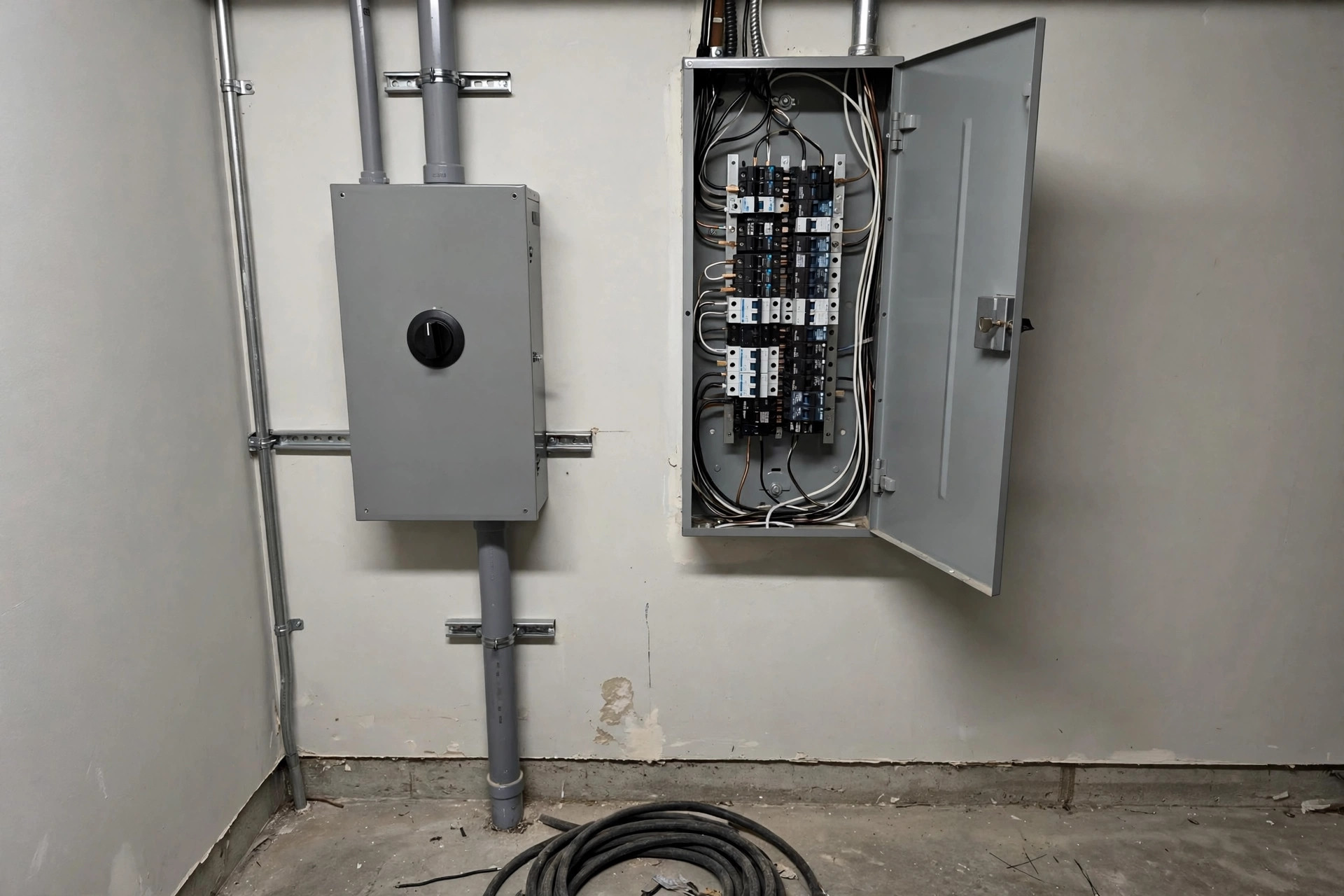
Now picture a bonded-neutral generator (neutral connected to the frame internally, as most larger portables are) connected through a standard 2-pole transfer switch to a house. The house panel has its own neutral-to-ground bond. So now there are two bonds. Neutral current now has two parallel paths back to the generator: the neutral wire and the ground wire. Some return current flows on the ground wire, bypassing the GFCI’s sensing — the GFCI sees an imbalance and trips. Instantly, every time, the moment you close the switch.
I have watched people chase this for hours — replacing cords, blaming the transfer switch, suspecting the generator is broken. The generator is fine. The wiring topology is the problem.
The fixes, in order of preference
- Float the generator’s neutral. Most manufacturers publish a procedure (or a technical bulletin) for removing the neutral-to-frame bond. Champion’s, for example, is a 9-minute job with basic tools. Once the generator is floating, the house panel’s bond is the single bond, the ground loop disappears, and the GFCI holds. Caveat: a floated generator used standalone then has no bond at all — which is where a neutral bonding plug comes in for house use, or just understand the tradeoff.
- Use a 3-pole transfer switch that switches the neutral along with the hots. This makes the generator a separately derived system with its own bond and grounding electrode — no loop, no trip. More expensive, but the “correct” engineered solution, and some inspectors prefer it.
- Have an electrician sort the bonding. If you are not comfortable inside the alternator housing, this is a 30-minute job for a pro and worth every penny. Bonding mistakes can energize the generator frame — this is not a guess-and-check situation.
Cause #2: moisture
GFCI devices and water do not mix — by design. Rain on connections, dew-soaked cords lying on wet grass, a pressure washer’s spray drifting onto the generator’s outlets: any of these create leakage paths that trip a GFCI at 5mA. I once spent an embarrassing half hour diagnosing a “broken” generator at a campsite before noticing the extension cord connection was sitting in a puddle.
Fix: keep all cord connections elevated and dry, shelter the generator’s outlet panel from direct rain (without enclosing the generator — it needs full airflow and the exhaust must vent freely), and let wet equipment dry before reconnecting. If it only trips when wet, the GFCI is working correctly.
Cause #3: a faulty appliance or cord
Motors with aging insulation — old refrigerators, well pumps, power tools — develop small leakage currents that are invisible on utility power (your house GFCI would trip too, but most house circuits feeding fridges are not GFCI-protected) but trip a generator’s GFCI instantly. Test the suspect appliance on a GFCI-protected outlet on utility power: if it trips there too, the appliance is the problem, not the generator.
Cords deserve the same suspicion. A nicked extension cord lying on damp concrete leaks current to ground. Inspect cords for damage, and when troubleshooting, always test with a known-good, heavy-gauge cord.
Cause #4: the GFCI device itself
GFCI receptacles and breakers wear out. Outdoor-rated ones in a generator panel live a hard life — vibration, temperature swings, moisture. A GFCI that trips with nothing plugged in, or trips at loads it used to handle, has probably failed. Replacement GFCI receptacles are $15–25 and a straightforward swap for anyone comfortable with basic wiring (power off, verify with a meter, match the line/load terminals). When in doubt, an electrician.
Also check the generator’s internal bond jumper if it is a bonded unit — a loose bonding connection can cause intermittent tripping that looks random. It should be a clean, tight connection; corrosion or looseness here causes exactly the “sometimes it trips” pattern.
Step-by-step troubleshooting sequence
- Unplug everything. Reset the GFCI. If it will not reset with nothing connected, the GFCI device or internal wiring is bad — service time.
- Test with a simple resistive load — a work light or space heater, on a dry, known-good cord. If it holds, the generator and GFCI are fine.
- Add loads one at a time. The one that trips it is your culprit — test that appliance on utility GFCI power to confirm.
- If it trips the instant you connect to the house, stop and address the bonding (Cause #1 above). Do not keep resetting it.
- Check conditions: wet cords, damaged insulation, overloaded circuit (a 20A GFCI receptacle with 22A of load will trip on overload too).
For the bonding side of this problem in more depth — including how to test whether your generator is bonded or floating with a multimeter — see our bonded vs. floating neutral explainer and our grounding rod guide.
Why does my generator GFCI trip when I connect it to my house?
Can rain cause a generator GFCI to trip?
Should I replace the GFCI outlet with a regular outlet?
Can an appliance trip a generator GFCI but work fine on house power?
How do I know if my generator is bonded or floating neutral?
A tripping GFCI is information, not a malfunction — it is telling you exactly where the electrical problem is. House hookup that trips instantly means bonding. Standalone tripping means moisture, a bad cord, a leaky appliance, or a tired GFCI. Work the sequence, fix the cause, and the tripping stops.
How we researched this: NEC Article 250 bonding requirements, manufacturer neutral-bonding bulletins, electrician troubleshooting discussions, and hands-on diagnosis of GFCI trips in both house-connected and standalone generator setups.

Related Guides
Why Does My Generator Backfire? Causes and Fixes (2027)
Why does your generator backfire? An exhaust bang means unburned fuel in the muffler; a pop through the carb means lean mixture or valve trouble. Here are the fixes.

Generator Valve Adjustment: How to Set Valve Lash (2027 Guide)
Generator valve adjustment: 0.006" intake, 0.008" exhaust on Honda GX engines. Tools, TDC procedure, and symptoms of bad valve lash explained.

How to Clean and Replace a Generator Air Filter (2027 Guide)
How to clean a generator air filter: wash foam filters in soapy water and re-oil; tap out paper filters, never wash them. Full steps inside.