


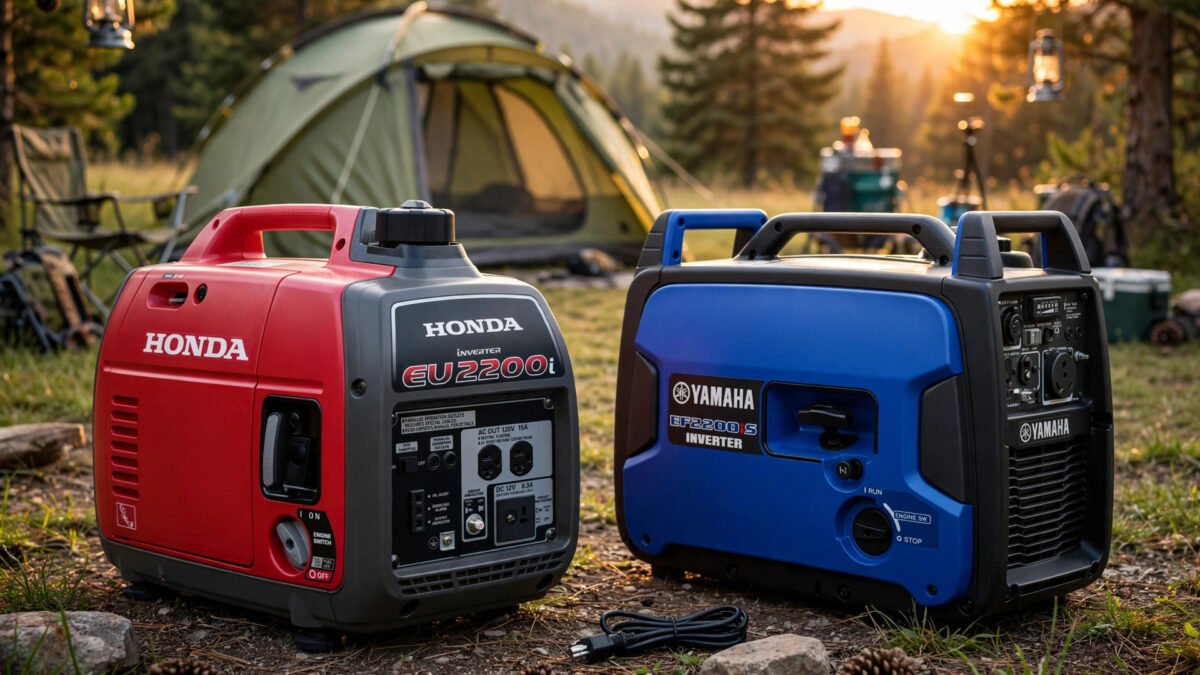
This is the heavyweight fight of the generator world. The Honda EU2200i and Yamaha EF2200iS have been the two best small inverter generators you can buy for the better part of two decades, and the debate between their owners is as passionate as any in power equipment. I’ve run both, borrowed both, and listened to both at campgrounds. Here’s the verdict up front: the Honda EU2200i wins for most buyers — it’s quieter, lighter, and now smarter. The Yamaha EF2200iS wins on runtime — its bigger tank goes significantly longer between refills.
Key takeaways
- Honda is quieter (48–57 dBA vs. Yamaha’s 57.7–65.1 dBA) and lighter (47.4 lb vs. 55.2 lb).
- Yamaha runs longer: 10.5 hours at quarter load on its 1.24-gal tank vs. Honda’s 8.1 hours on 0.95 gal.
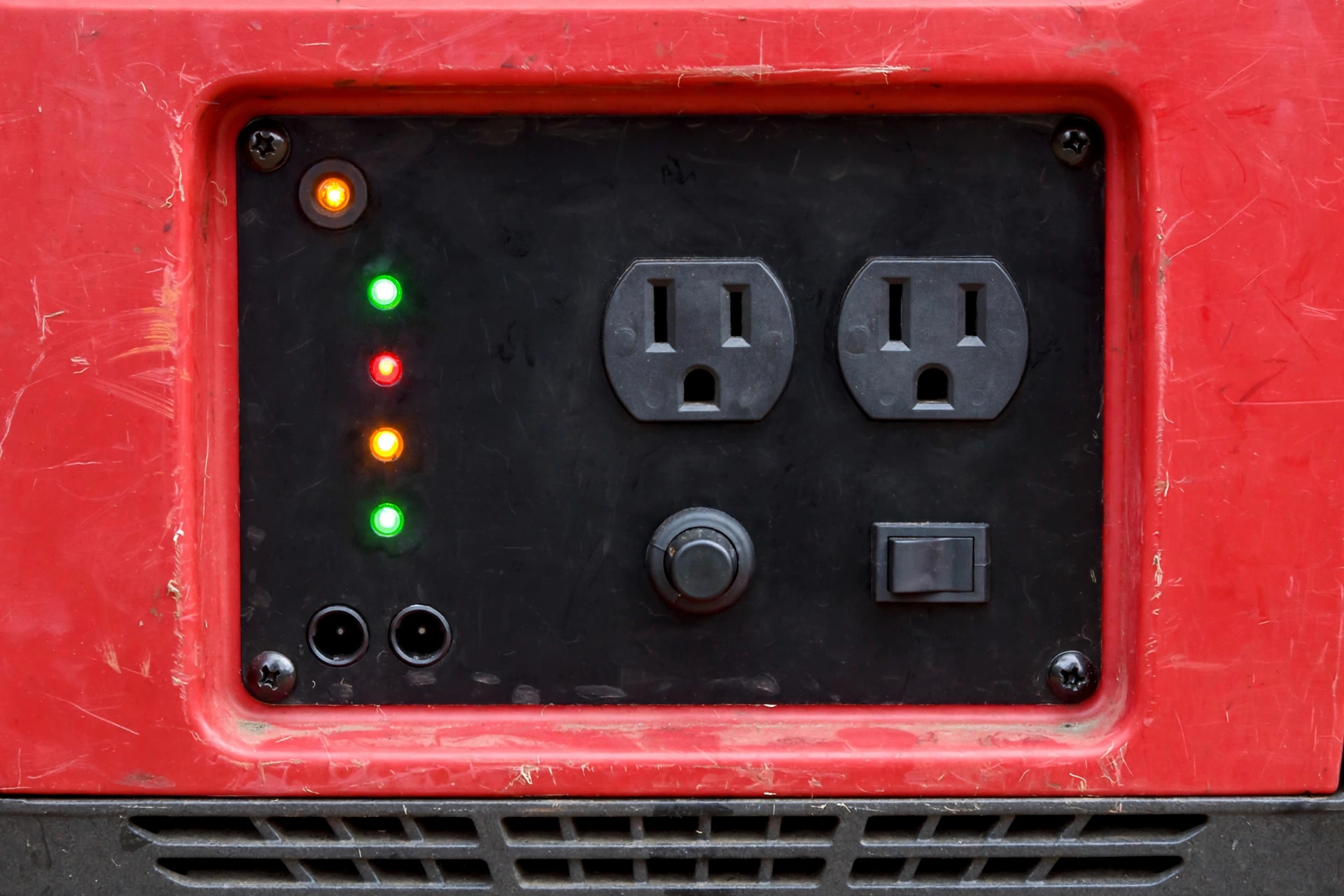
- Honda’s current EU2200i adds CO-MINDER and Bluetooth monitoring; Yamaha counters with a fuel gauge.
- Both carry 3-year warranties and legendary reliability — you can’t make a bad choice here.
- Pricing is close ($1,100–$1,300 range); buy on features, not on small price gaps.
Head-to-head specs
| Spec | Honda EU2200i | Yamaha EF2200iS |
|---|---|---|
| Starting / running watts | 2,200 / 1,800 | 2,200 / 1,800 |
| Engine | GXR120, 121cc | MZ80, 79cc |
| Noise | 48–57 dBA | 57.7–65.1 dBA |
| Fuel tank | 0.95 gal | 1.24 gal |
| Runtime (1/4 load) | 8.1 hours | 10.5 hours |
| Weight | 47.4 lb | 55.2 lb |
| CO shutoff | CO-MINDER (standard) | Not standard on base model |
| Smart features | Bluetooth app monitoring | Fuel gauge |
| Warranty | 3-year residential + commercial | 3-year limited |
| Typical price | $1,100–$1,300 | $1,150–$1,350 |
Noise: Honda wins clearly
This is the biggest real-world difference. The Honda EU2200i idles at 48 dBA — quieter than normal conversation — and only reaches 57 dBA at full rated load. The Yamaha EF2200iS starts at 57.7 dBA at quarter load and climbs to 65.1 dBA at rated load. At full tilt, the Yamaha is roughly twice as loud as the Honda in perceived volume.
In practice, both are campground-acceptable, and Yamaha’s Smart Throttle keeps revs (and noise) down at light loads. But if you’re running near full load — say, a 13,500 BTU RV air conditioner — the Honda is noticeably easier to live with. For tailgating, outdoor events, or close-quarters camping, Honda’s noise advantage is the single best reason to choose it.
Runtime: Yamaha wins clearly
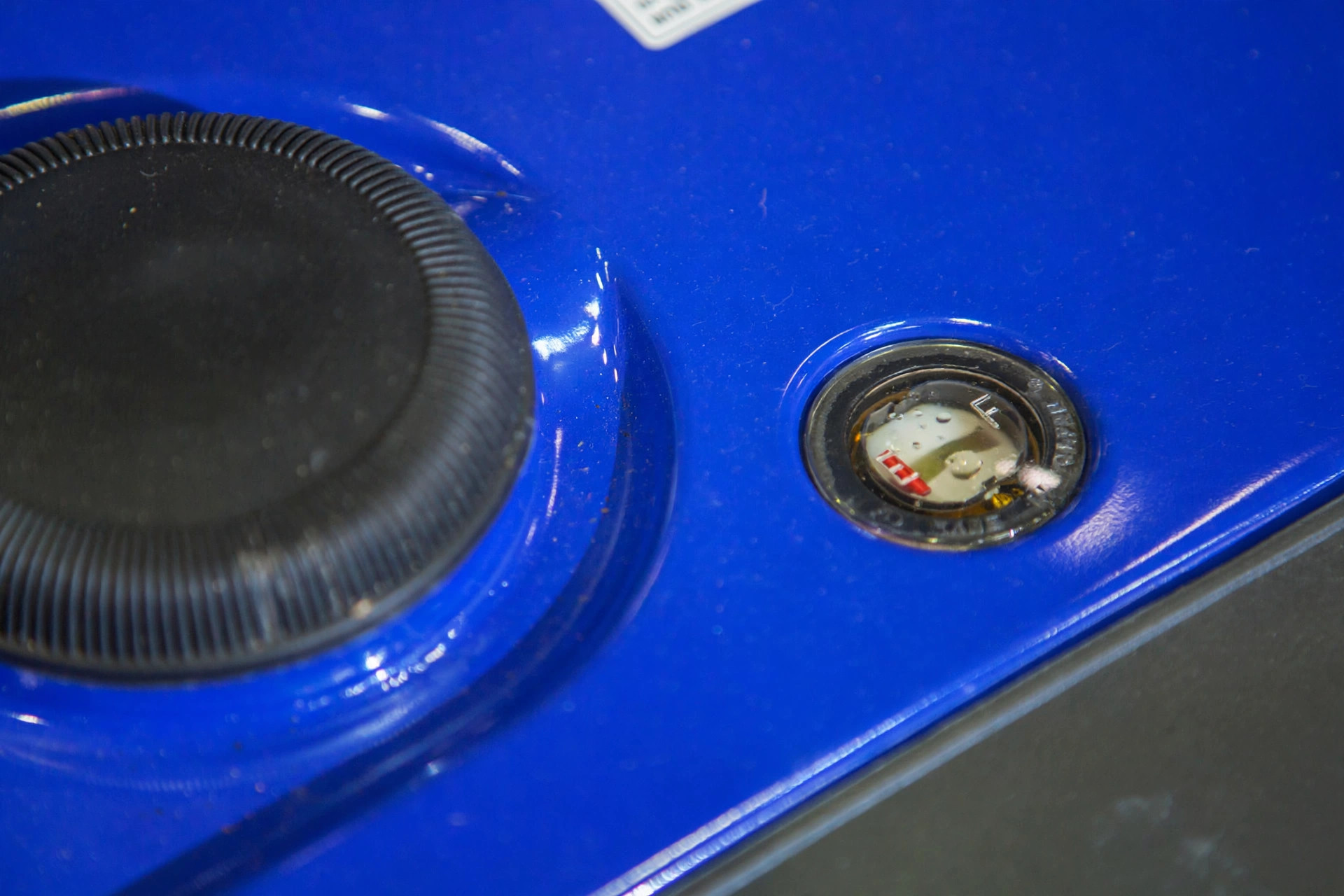
Yamaha’s counterpunch is the fuel tank: 1.24 gallons versus Honda’s 0.95. That translates to 10.5 hours at quarter load versus 8.1 — two and a half extra hours before you’re fumbling with a gas can in the dark. For overnight runs powering a CPAP, a fridge, or RV essentials, that margin matters. Yamaha also gives you a fuel gauge, so you actually know where you stand; the Honda makes you guess (or check the app).
Honda’s GXR120 is slightly more fuel-efficient per watt, but it can’t overcome a 30% smaller tank. If your use case is “run all night without touching it,” Yamaha takes this round.
Weight and portability: Honda
47.4 pounds versus 55.2. Eight pounds doesn’t sound like much until you’re lifting the generator into a truck bed for the twentieth time, or carrying it 100 yards to a campsite. The Honda’s one-hand carry handle and balanced design make it genuinely easy for one person to move. The Yamaha is still portable — it’s not a two-person lift — but you feel the difference.
Features and tech
Honda’s current EU2200i (the EU2200ITAN generation) added two meaningful upgrades: CO-MINDER, which shuts the generator down if carbon monoxide builds up, and Bluetooth connectivity for wireless stop, operation monitoring, and service reminders via the Honda app. Yamaha’s EF2200iS answers with practical touches of its own — the fuel gauge I mentioned, plus Yamaha’s typically excellent fit and finish. Neither offers dual-fuel or electric start in this class; if you need those, you’re shopping Champion or Predator instead.
Reliability and support
Both brands are legendary here, and I’d trust either for a decade of service. Honda’s edge: the warranty covers commercial use at the same 3-year term, and the dealer network is enormous — parts for a 15-year-old Honda are still easy to find. Yamaha’s 3-year limited warranty is solid, and Yamaha’s small-engine reputation (they build some of the best small motors in the world) is equally strong. Owner forums for both are full of “still running after 2,000 hours” stories. Call this one a tie with a whisper of an edge to Honda on parts availability.
Which should you buy?
Buy the Honda EU2200i if: noise matters (campgrounds, neighborhoods, events), you carry the generator often, or you want the Bluetooth monitoring and CO-MINDER tech. It’s the better all-rounder and my default recommendation.
Buy the Yamaha EF2200iS if: maximum runtime between refills is your top priority — overnight RV use, remote cabins, anywhere the gas can is far away. The bigger tank and fuel gauge are genuinely useful every single time you run it.
Price shouldn’t decide this one — they typically sit within $100–$150 of each other, and both hold resale value well. Pick based on the noise-vs-runtime tradeoff, because that’s the difference you’ll actually feel. And if 2,200 watts isn’t enough, our generator sizing guide will point you to the right class before you spend a dollar.
A weekend with both: how the differences feel
Specs tell half the story. Here’s the other half, from a long weekend running both at a group campsite. Loading up: the Honda goes into the truck bed one-handed; the Yamaha takes two hands and a grunt — you notice 8 pounds at 6 a.m. Setup: both start on the first or second pull, both settle into a quiet idle. The Yamaha’s fuel gauge gets its first win here — a glance tells you you’re full, while the Honda needs the app or a guess.
Overnight, powering a small RV: the Yamaha runs straight through to morning on its 1.24 gallons. The Honda needs a splash of fuel around 2 a.m. at the same load — or you run it in Eco mode with a lighter load and it makes it. By day two, the noise difference is what everyone comments on. Next to the Honda you talk normally; next to the Yamaha you raise your voice slightly. Nobody complains about either — but the Honda disappears into the background in a way the Yamaha doesn’t quite.
Refueling: the Yamaha’s bigger tank means fewer trips with the gas can, and the gauge means no surprises. Packing up: the Honda’s lighter weight wins again. Net impression after three days: the Honda is the nicer machine to live with; the Yamaha is the more practical machine to ignore.
Parts, service, and the 10-year outlook
Buy either of these and you’re likely keeping it a decade. Honda’s advantage compounds over time: the dealer network is vast, parts diagrams are excellent, and aftermarket support is the best in the business. A carburetor rebuild kit, a recoil starter, replacement panels — all available, all documented, with YouTube tutorials for everything.
Yamaha’s support is good but the network is smaller, and parts can take longer to source for older units. That said, Yamahas break rarely enough that most owners never test the parts pipeline. Both engines have well-established maintenance routines: oil every 50–100 hours, air filter cleanings, valve clearance checks around 300 hours, and fuel stabilizer or dry storage between seasons. Do the maintenance and either one will likely outlast your RV.
Buying used: what to check
Both of these hold value so well that the used market deserves a mention. A used EU2200i typically sells for 60–70% of new — meaning a 3-year-old Honda costs nearly what a new Champion does. Whether that’s worth it depends on condition. Check these five things: (1) Start it cold — it should fire within 2–3 pulls. Hard cold starts suggest carburetor or valve issues. (2) Run it under load — plug in a space heater and listen for surging, which indicates fuel delivery problems. (3) Check the oil — milky or glittery oil means walk away. (4) Look at the hour meter or ask about usage; under 500 hours is lightly used for these engines. (5) Inspect for physical damage, especially to the control panel and fuel cap area.
Yamahas depreciate slightly more, so used EF2200iS units can be genuine bargains — same legendary reliability, lower entry price. Either way, budget for immediate maintenance: fresh oil, new spark plug, air filter check, and a carburetor cleaning if it’s been sitting. A $50 tune-up turns most “ran when parked” generators into reliable machines.
Accessories worth buying
Whichever one you choose, four accessories earn their keep. A running cover — rain doesn’t care about your brand loyalty (see our cover guide). A magnetic dipstick — it traps metal wear particles the stock dipstick misses, cheap insurance for a $1,200 machine. An hour meter if your model lacks one — maintenance by the calendar is guessing; by hours it’s science. And a parallel kit if there’s any chance you’ll want 4,400 watts later — buying it with the generator beats hunting for it during storm season.
Frequently asked questions
Which is quieter, the Honda EU2200i or Yamaha EF2200iS?
How long does the Yamaha EF2200iS run on a tank?
Can you parallel two EU2200i or two EF2200iS generators?
Is the Yamaha EF2200iS worth the extra money over Honda?
Do these generators have CO shutoff?
Our verdict
Honda EU2200i for most people. Quieter, lighter, and now smarter with CO-MINDER and Bluetooth — it’s the best 2,200W inverter you can buy. Yamaha EF2200iS for runtime-first buyers who want the longest stretch between refills and a proper fuel gauge. You genuinely can’t go wrong with either; they’ve both earned their legends. If budget is the real constraint, our best portable generators roundup includes strong value alternatives at half the price.
How we researched this: We compared current manufacturer specifications for both models (noise ratings, tank capacity, runtime, weight, warranty), analyzed owner reviews and forum discussions spanning years of real-world use, and factored in current street pricing. No manufacturer provided test units or compensation.

Related Guides
Westinghouse iGen4500DF Review: The Dual-Fuel Inverter to Beat in 2027
Westinghouse iGen4500DF review: 4,500W dual-fuel inverter, 52 dBA, remote start, RV-ready. We test the specs, noise, and value against Honda in 2027.

Champion vs Generac Generators: Which Brand Is Better in 2027?
Champion vs Generac: Champion wins portable value, Generac wins standby. We compare lineups, reliability, safety tech, and support to pick the right brand.
Inverter vs Conventional Generators: Which Should You Buy in 2027?
Inverter vs conventional generators: inverters win on noise, fuel use and clean power; conventional wins on watts per dollar. Here's how to choose in 2027.