


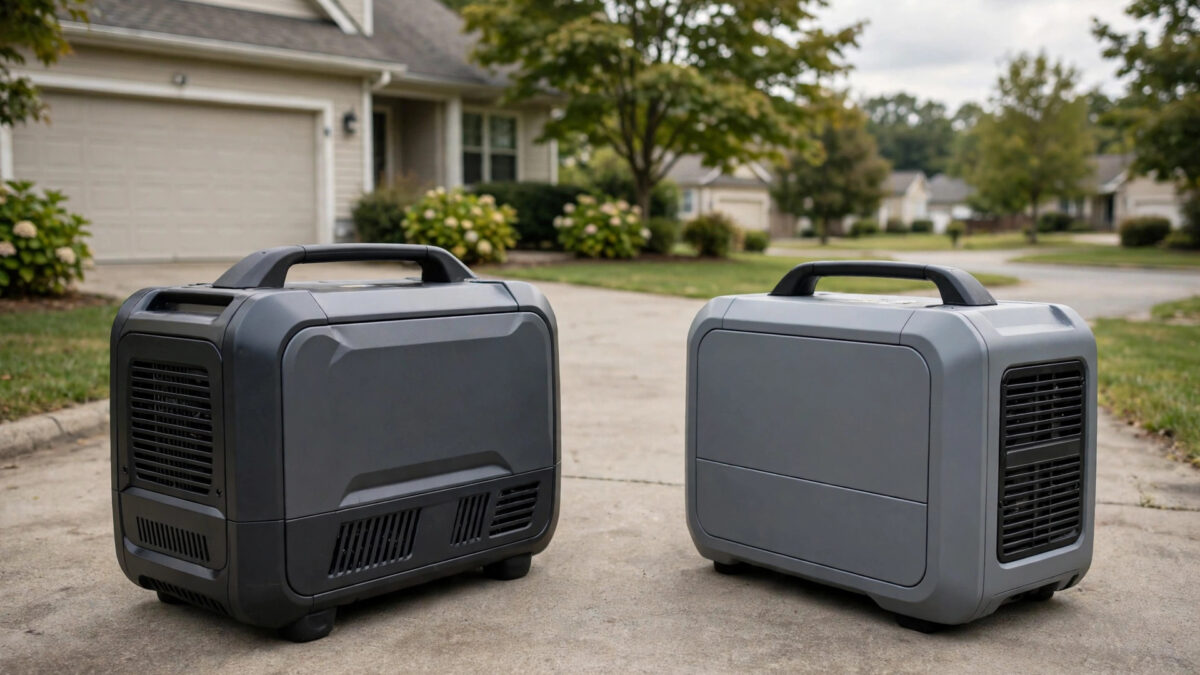
Honda EU2200i vs Predator 2000 — which 2000-watt generator is better? The honest answer from our research: the Honda EU2200i is the better generator by every measure of quality, longevity, noise, and resale value. The Predator 2000 is the better deal — it delivers roughly 80% of the real-world experience for about half the price. Which one you should buy depends entirely on how you will use it and how long you need it to last. One important note on shopping: the Predator 2000 is a Harbor Freight exclusive with no Amazon listing, so we discuss it by name only and link only the Honda. We compared published specifications, warranty terms, and aggregated owner feedback — not hands-on testing — to write this comparison.
Key Takeaways
- Honda EU2200i wins on reliability, noise (48-57 dBA), fuel efficiency, 3-year warranty, and resale value.
- Predator 2000 wins on price — roughly half the cost of the Honda for similar wattage.
- Both are ~2,000W peak / ~1,600W running inverter generators; both can parallel for double the power.
- Predator is sold only at Harbor Freight (no Amazon listing); Honda is widely available with nationwide service.
- Buy the Honda for frequent use, RV life, or 10+ year ownership. Buy the Predator for occasional backup or tight budgets.
Honda EU2200i vs. Predator 2000: Specs Side by Side
On paper, these two generators look remarkably similar — that is the whole reason this comparison exists. Both are compact inverter generators in the 2,000-watt class, both weigh under 50 pounds, and both produce clean sine-wave power safe for electronics. The differences emerge in the details: noise ratings, runtime efficiency, warranty length, and the less measurable qualities of build refinement and long-term durability.
| Specification | Honda EU2200i | Predator 2000 |
|---|---|---|
| Starting / running watts | 2,200 / 1,800 | 2,000 / 1,600 (approx.) |
| Engine | Honda GX100 (98.5cc) | 79cc-80cc OHV (approx.) |
| Noise level | 48-57 dBA | ~61 dBA (approx., published specs vary) |
| Runtime | 8.1 hrs @ 1/4 load (0.95 gal) | ~6.5 hrs @ 50% load (approx., 1.06 gal) |
| Weight | 46.5 lbs | ~47-48 lbs (approx.) |
| THD (power quality) | <3% (pure sine wave) | Pure sine wave (THD not widely published) |
| Eco/throttle mode | Eco-Throttle | Smart throttle / eco mode |
| Parallel capable | Yes (4400W combined) | Yes (with parallel kit) |
| Warranty | 3-year residential | 90 days (extended plans available) |
| Typical street price | ~$1,100-$1,300 | ~$500-$650 |
| Availability | Amazon, dealers, nationwide | Harbor Freight only |
A note on the Predator column: Harbor Freight publishes fewer certified specs than Honda, and figures vary across sources, so we have marked them approximate. The headline numbers — 2,000 starting watts, ~1,600 running watts — are consistent across Harbor Freight’s own listings.
Noise: Where the Honda Earns Its Price
Noise is the single biggest day-to-day difference between these two generators, and it is the reason the Honda dominates campgrounds and RV parks. The Honda EU2200i is rated 48-57 dBA — 48 at quarter load, rising to 57 at full load. In real-world terms, 48 dBA is quieter than a normal conversation; you can stand next to it and talk comfortably. The Predator 2000 is generally reported around 61 dBA — noticeably louder, roughly the difference between a quiet office and a normal conversation held right next to you.
Four decibels may not sound like much, but the decibel scale is logarithmic: every 3 dB is roughly a doubling of sound intensity. The Predator is meaningfully louder, and at a campground with quiet hours, that matters — both for your neighbors and for park rules. If you camp in noise-sensitive areas or run the generator near your RV’s bedroom slide, the Honda’s quietness alone can justify the premium.
Reliability and Longevity: The Real Price Gap
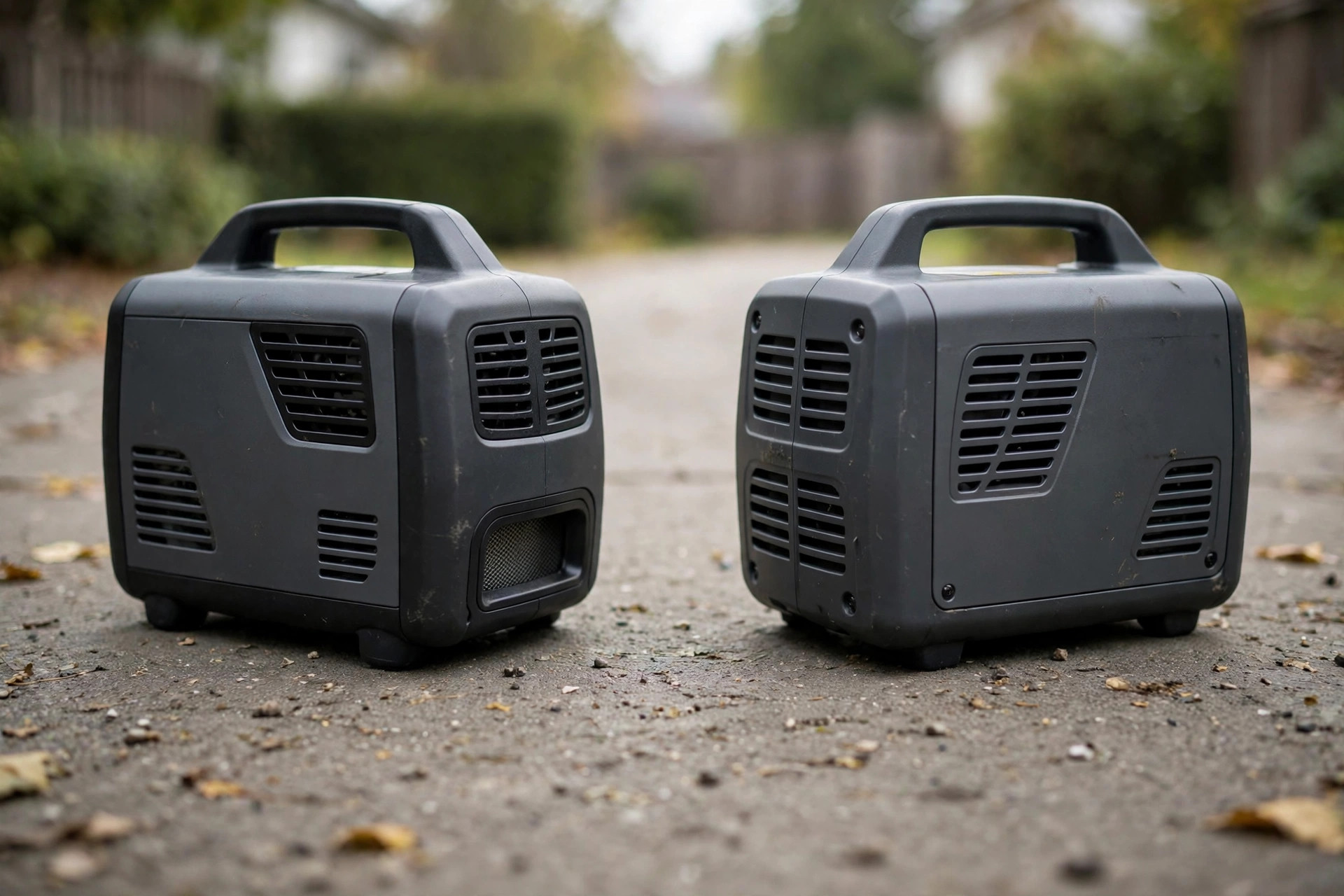
This is where the price difference stops being about features and starts being about years. The Honda EU2200i is famously a buy-it-for-decades machine: the GX100 engine, Honda’s quality control, and a nationwide dealer and parts network mean 10-15+ year lifespans are routine with basic maintenance, and used EU2200i units hold remarkable resale value (often 60-70% of new price after years of use).
The Predator 2000 has a more mixed reputation. Many owners report perfectly satisfactory service for occasional use — weekend camping, a few outages a year — and Harbor Freight’s quality control has improved over the years. But aggregated owner feedback also shows more reports of carburetor issues, hard starting after storage, and shorter overall lifespans than the Honda. The 90-day standard warranty (versus Honda’s 3 years) tells you what the manufacturer itself expects. Harbor Freight sells extended protection plans, which many Predator buyers consider essential — factor that cost into the comparison.
The honest framing: the Honda is a 15-year generator; the Predator is a 3-7 year generator for most users. If you will use it 50+ hours per year, the Honda’s cost-per-year-of-ownership actually converges with — or beats — buying two Predators over the same span.
Fuel Efficiency and Runtime
The Honda’s Eco-Throttle system is the gold standard for variable-speed efficiency: 8.1 hours at quarter load on less than a gallon of gas. The Predator’s eco mode is decent but less refined, with typical reports around 6-7 hours at moderate loads on its slightly larger tank. Over a long outage or a week of camping, the Honda burns noticeably less fuel — not enough to close the price gap on fuel savings alone, but a real advantage in convenience (fewer refueling trips) and in situations where gasoline is scarce.
Features and Usability Compared
Beyond the headline specs, the Honda offers refinements the Predator does not: the CO-MINDER carbon monoxide shutdown system, Honda’s excellent fuel shutoff valve (lets you run the carb dry for storage), and an oil alert system that has been refined over decades. The Predator counters with a perfectly usable feature set — USB ports, parallel outlets, low-oil shutdown — at half the price. Neither generator will feel feature-poor; the Honda just feels more finished in the details, from the recoil starter feel to the fit of the panels.
Parallel capability deserves a mention for both: two EU2200i units paired deliver 4,400 starting watts — enough for a 13,500 BTU RV air conditioner — and two Predators paired do the same job for roughly the price of one Honda. For RVers who need AC power on a budget, the Predator parallel pair is one of the most cost-effective setups available.
Warranty, Service, and Parts
Honda’s 3-year residential warranty is serviced through a nationwide network of Honda Power Equipment dealers — you can get warranty service and genuine parts in virtually any state, often same-week. The Predator’s 90-day warranty is serviced through Harbor Freight stores, which are widespread but not universal, and long-term parts availability is less certain than Honda’s. If you buy the Predator, seriously consider Harbor Freight’s extended protection plan and keep your receipt — it is the practical substitute for Honda’s dealer network.
Honda EU2200i vs. Predator 2000: Which Should You Buy?
Buy the Honda EU2200i if: you use a generator regularly (camping, RVing, frequent outages), noise matters to you or your neighbors, you want a 10-15 year machine with strong resale value, or you want the peace of mind of a 3-year warranty and nationwide service. It is the better generator, full stop — the question is only whether the premium fits your use case.
Buy the Predator 2000 if: your budget is firm under $700, you need backup power a few times a year rather than weekly, you are comfortable with basic small-engine maintenance, or you want a parallel pair for RV air conditioning at the lowest possible price. It is a legitimate value — just go in with realistic expectations about lifespan and noise, and consider the extended warranty.
Our verdict
The Honda EU2200i is the better generator — quieter, more efficient, longer-lasting, and better supported. But the Predator 2000 is the smarter buy for occasional users on a budget, delivering similar wattage for roughly half the price. Match the machine to your usage: heavy, frequent, or noise-sensitive use justifies the Honda; light, occasional use favors the Predator. Either way, buy fresh fuel, stabilize it, and exercise the generator regularly.
How we researched this
We compared published manufacturer specifications, warranty terms, street pricing, and aggregated owner feedback from retail and forum sources for both models. Predator specifications are marked approximate where Harbor Freight’s published figures vary across sources. We did not test either generator hands-on. The Predator 2000 is a Harbor Freight exclusive with no Amazon listing; we do not link to it and recommend verifying current specs on Harbor Freight’s site before purchasing.
Which is better: Honda EU2200i or Predator 2000?
Can you buy the Predator 2000 on Amazon?
How long does a Predator 2000 last compared to a Honda EU2200i?
Is the Predator 2000 loud?
Can you parallel two Predator 2000 generators?
What is the warranty on the Predator 2000?
The Honda EU2200i vs. Predator 2000 debate is really a debate about how you value your money: pay once for the best, or pay half for good enough. For daily drivers, RVers, and anyone who hates small-engine troubleshooting, the Honda’s premium pays for itself in quiet reliability. For the occasional outage or the budget-conscious camper, the Predator gets the job done. If you want to see how the Honda stacks up against the wider field, check our best inverter generators of 2027.

Related Guides
Best Time to Buy a Generator: 2027 Price & Sales Calendar
The best time to buy a generator is Black Friday, with 10-30% off typical. 2027 price and sales calendar: clearance windows, pre-season deals, and timing tips.

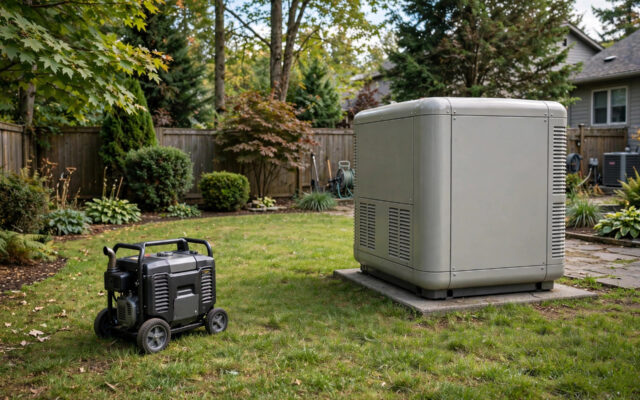
Portable vs Standby Generator: Cost, Runtime, Maintenance & Pros/Cons
Portable vs standby generator: $1,100-$5,000 vs $9,000-$20,000+ installed. Compare costs, runtime, maintenance, pros and cons, and which type wins for you.
Jackery vs EcoFlow vs Bluetti vs Anker: Which Power Station Brand Is Best?
Jackery vs EcoFlow vs Bluetti vs Anker power stations compared on battery chemistry, charging speed, cycle life, and value. Includes the NMC vs LiFePO4 warning.