


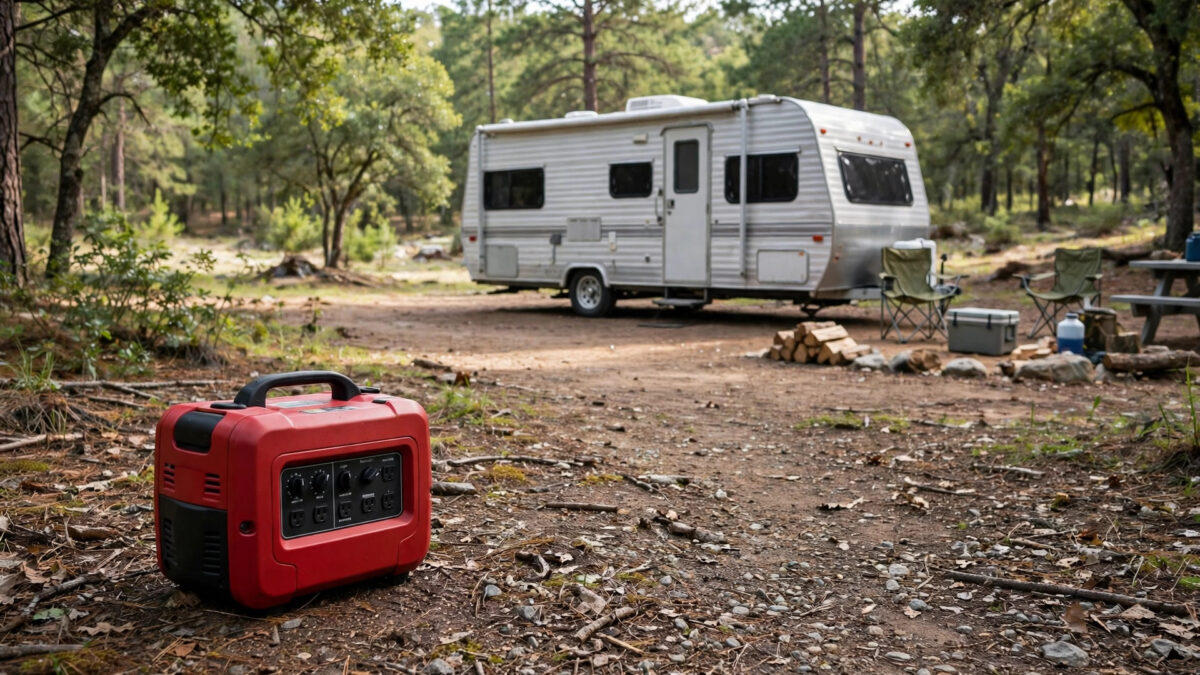
The Honda EU3200i is the premium RV generator that makes you question whether “premium” is worth it — 2,600 running watts, 3,200 starting watts, a fuel-injected engine, Bluetooth app control, and Honda’s legendary reliability at 59.1 pounds. After researching its specifications, owner feedback, and how it stacks against the Yamaha and Champion competition, our verdict in this Honda EU3200i review is: yes, it is worth it for RV owners and serious users who value reliability, quiet operation, and resale value above the lowest purchase price. Budget buyers will find equal watts for less money — but not the same ownership experience.
Honda’s EU series defined the quiet-inverter category, and the EU3200i is its current flagship for the RV and backup market: fuel injection for easy starts and altitude performance, CO-MINDER for carbon monoxide safety, and a 30A locking RV receptacle that plugs straight into your shore-power cord.
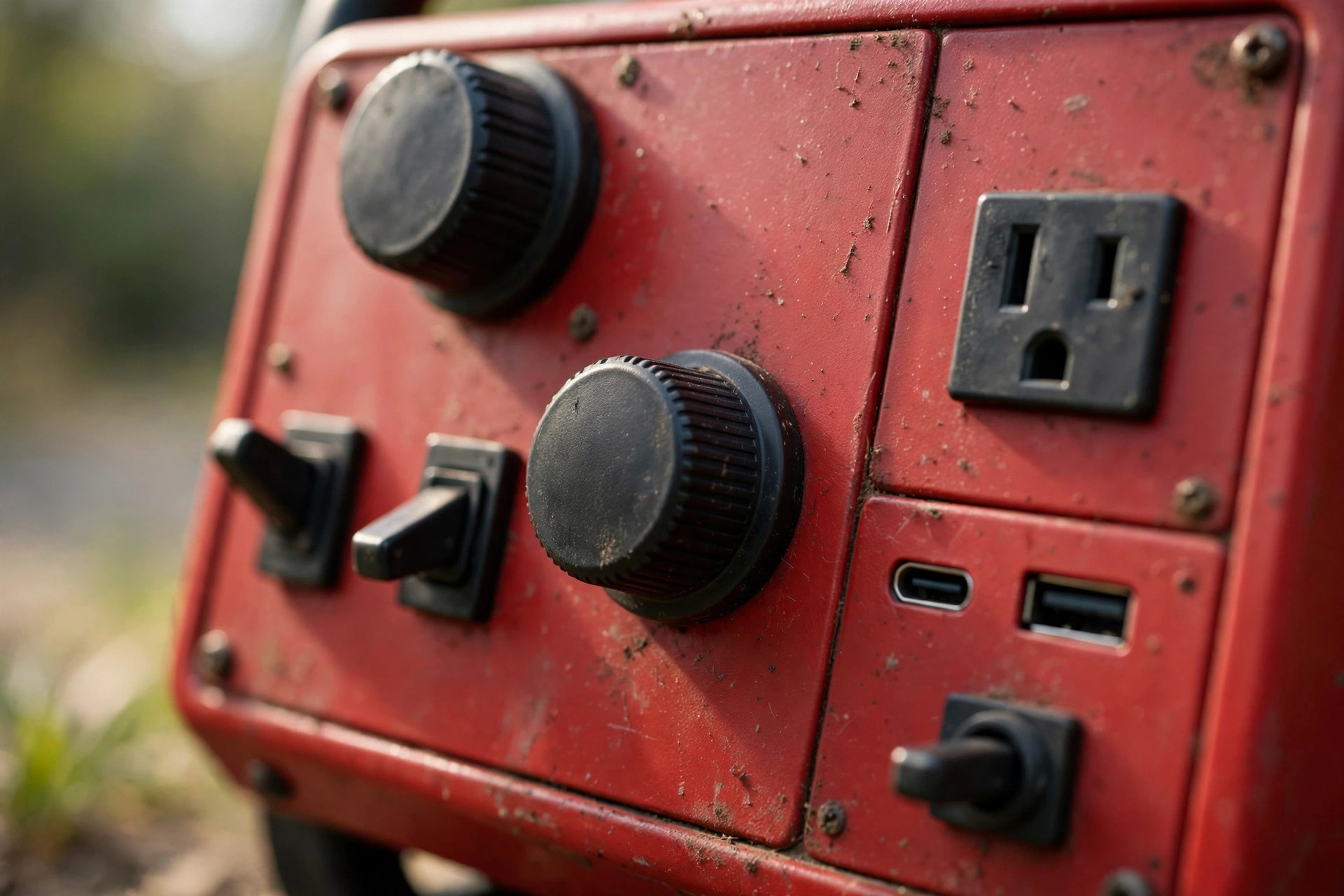
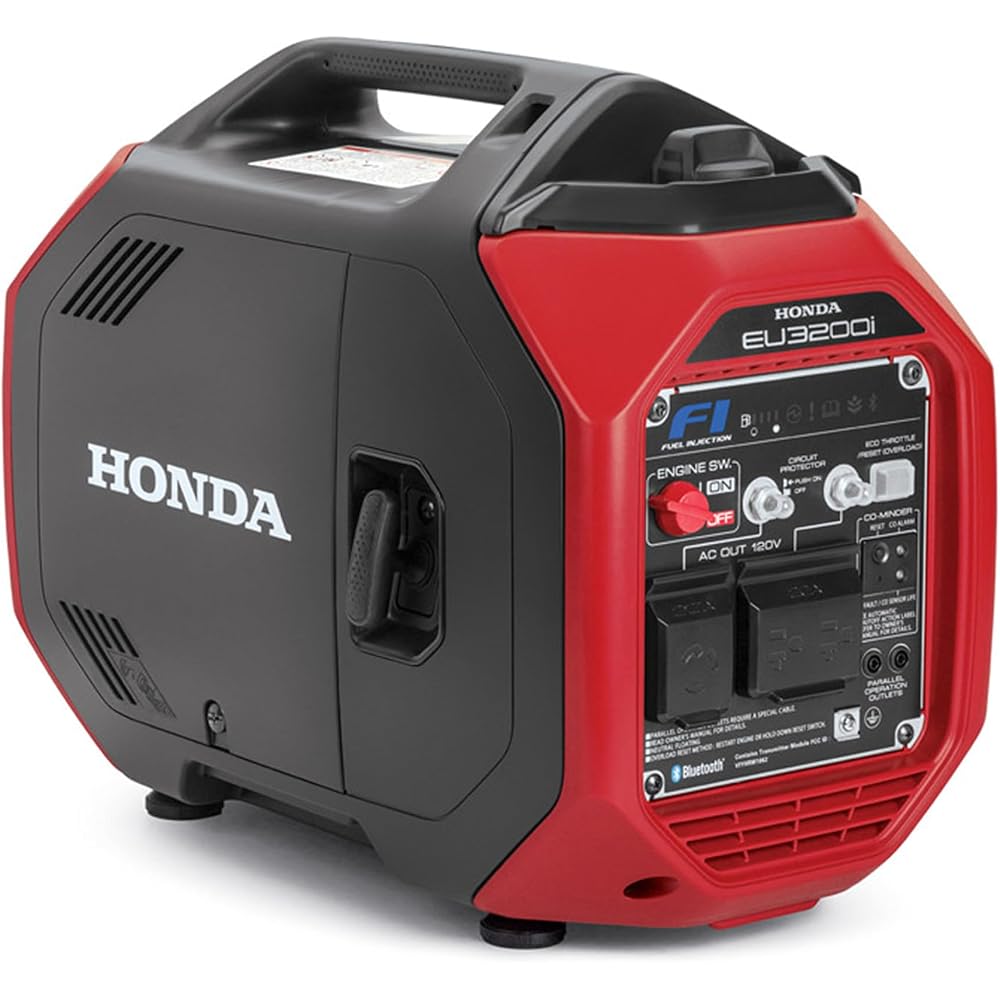
Product reviewed
Honda EU3200i Inverter Generator
- 2600W running / 3200W peak output
- gasoline
- Up to 3.3h @ rated load / 8.6h @ 1/4 load runtime
- Honda’s flagship premium RV inverter
- 3200W starting / 2600W running watts
- gasoline
- 59.1 lbs (dry)
- 3.3h @ rated load / 8.6h @ 1/4 load
As an Amazon Associate, we earn from qualifying purchases.
Key Takeaways
- 2,600W running / 3,200W starting watts from a fuel-injected GX130 engine — starts easily, runs cleanly, handles altitude better than carbureted rivals.
- 54–58 dBA noise range — conversation-quiet at light loads, among the quietest generators in its power class.
- Bluetooth app control for remote start/stop and monitoring; CO-MINDER shuts the unit down if carbon monoxide accumulates.
- 8.6 hours of runtime at quarter load (3.3 hours at rated load) — genuine all-night capability for RV boondocking at modest loads.
- Worth it for reliability-focused RV and backup users; budget buyers can get similar watts cheaper but give up Honda’s durability, support network, and resale value.
Our verdict up front
Yes — the Honda EU3200i is worth the premium in 2027 if you are an RV owner, a frequent camper, or anyone who needs a generator to simply work, every time, for a decade. The fuel injection, the quiet operation, the CO-MINDER safety system, and Honda’s dealer and parts network add up to an ownership experience no budget brand matches. If your generator runs 20 hours a year and price is the deciding factor, buy a quality mid-tier inverter instead. But if reliability is the job, this is the tool.
| Running watts | 2,600W |
|---|---|
| Starting watts | 3,200W |
| Engine | Honda GX130, fuel-injected |
| Fuel type | Gasoline |
| Noise level | 54–58 dBA |
| Runtime | 3.3 hours at rated load / 8.6 hours at 1/4 load |
| Weight | 59.1 lbs (dry) |
| Key features | Bluetooth app control; CO-MINDER; 30A locking-plug RV receptacle |
Design & Build
The EU3200i looks like what it is: a professional tool, not a toy. Honda’s enclosed inverter housing keeps noise down and protects the internals, the build quality is evident in panel fit and component feel, and at 59.1 pounds dry it sits at the upper edge of one-person portability — manageable for loading into a truck bed or RV compartment, but you will know you lifted it.
The headline engineering is the fuel-injected GX130 engine. Fuel injection eliminates the carburetor — the component responsible for most small-engine starting problems, stale-fuel gum-ups, and altitude rejetting. The EU3200i starts reliably in cold weather, handles elevation changes without manual adjustment (a real advantage for mountain camping), and sips fuel efficiently. Based on owner feedback, the “it just starts” reputation Honda earned with the EU2000i/EU2200i carries forward fully.
The 30A locking-plug RV receptacle (L5-30R style twist-lock) connects directly to an RV’s shore-power cord with a standard adapter — no jury-rigged connections. Combined with the Bluetooth app for remote start/stop and monitoring, the EU3200i is designed around the RV use case from the ground up.
Performance: 2,600W in the Real World
Two thousand six hundred running watts with 3,200W of surge puts the EU3200i in the sweet spot for RV and backup duty: it runs a 13,500 BTU RV air conditioner (the canonical RV load, roughly 1,500W running with a much larger startup spike), a full-size refrigerator, power tools, and the usual campsite or outage loads simultaneously — within reason and with attention to total draw.
The fuel injection shows its value under varying loads: throttle response is crisp, voltage stays clean for sensitive electronics (laptops, medical devices, modern furnace controls), and the inverter’s pure sine wave output is safe for everything you would plug into a wall outlet. Owner feedback consistently reports the EU3200i starting RV air conditioners that stall lesser 3,000W-class generators — the combination of honest surge rating and fuel-injected torque delivery matters more than the wattage number alone.
For home backup, 2,600W covers the essentials (refrigerator, freezer, furnace blower, lights, electronics, device charging) but not central AC or electric water heating. It is a superb “keep the house alive” generator, not a whole-home solution. Pair it with a transfer switch or interlock kit installed by an electrician for code-compliant home connection.
Noise & Fuel: Quiet and Efficient
At 54–58 dBA, the EU3200i is among the quietest generators in its power class — roughly the volume of normal conversation at the low end. The eco-throttle mode drops engine speed at light loads, which is where the 54 dBA figure lives; under full load it rises toward 58 dBA, still well below conventional open-frame generators that bellow at 70+ dBA. For campgrounds with quiet hours and neighborhoods during outages, this noise profile is a genuine quality-of-life feature, not a spec-sheet decoration.
Fuel efficiency is equally strong: 8.6 hours at quarter load means a full evening and night of RV boondocking — lights, fridge, devices, furnace fan cycling — on a single tank at modest draw. At rated load the 3.3-hour figure reflects the physics of burning gasoline to make 2,600 watts; no generator escapes that math, but the fuel injection keeps it as efficient as the class gets. As with any gasoline generator, use fresh fuel with stabilizer and follow proper fuel storage practices — the number one killer of small engines is old gas, fuel injection or not.
Features: Bluetooth, CO-MINDER, and Honda’s Network
Bluetooth app control lets you start, stop, and monitor the generator from your phone — check fuel level, output watts, and run time without walking out to the unit in the rain. It is the kind of feature you dismiss until the first stormy night you kill the generator from bed instead of pulling on boots.
CO-MINDER is Honda’s carbon monoxide detection and auto-shutdown system: if CO accumulates around the generator, it shuts down before levels become dangerous. This is a meaningful safety layer — but it is a backup, not a license. The generator still belongs outdoors, 20+ feet from the house, exhaust pointed away, with working CO detectors inside the home. No sensor replaces safe placement.
The intangibles are Honda’s dealer network, parts availability, and resale value. A ten-year-old Honda inverter still commands real money on the used market; a ten-year-old budget generator is a parts donor. When you buy the EU3200i, part of the premium is buying into that ecosystem — and based on owner feedback, it pays off over the ownership years.
Who the EU3200i Is For
The EU3200i is for RV owners who boondock or dry-camp and need reliable 30A power for air conditioning; for homeowners wanting a premium outage generator that will start on the first pull in year eight as reliably as year one; for contractors and mobile workers who need clean, quiet power for tools and electronics; and for anyone who has been burned by a cheap generator failing at the worst moment and never wants that experience again.
It is not for: buyers whose generator runs a few hours a year and for whom price dominates — a quality mid-tier inverter (Champion, WEN, Westinghouse) delivers similar watts for substantially less money. It is not for whole-home backup, 240V loads, or central AC. And at 59 pounds, it is not the choice for backpackers or anyone who needs true one-hand portability.
Pros
- Fuel-injected GX130 — reliable starts, altitude tolerance, no carburetor woes
- 54–58 dBA — among the quietest in its class
- CO-MINDER auto-shutdown; Bluetooth remote start/stop and monitoring
- 30A locking RV receptacle; 8.6-hour runtime at quarter load
- Honda dealer network, parts availability, and best-in-class resale value
Cons
- Premium price — similar watts available for much less
- 59.1 lbs — at the edge of one-person portability
- 2,600W will not run central AC or 240V loads
Warning — carbon monoxide kills. CO-MINDER is a backup safety system, not a substitute for safe operation. Always run the EU3200i outdoors, at least 20 feet from your home, with the exhaust pointed away from windows, doors, and vents. Never run any generator in a garage, basement, or enclosed space. Keep working CO detectors on every level of your home.
Frequently Asked Questions
Is the Honda EU3200i worth it in 2027?
For reliability-focused buyers, yes. The fuel-injected engine, 54–58 dBA quiet operation, CO-MINDER safety, Bluetooth control, and Honda’s dealer network and resale value justify the premium over budget inverters with similar wattage. If price is your primary criterion and the generator sees light use, a mid-tier inverter delivers similar watts for less — but not the same long-term ownership experience.
Will the Honda EU3200i run an RV air conditioner?
Yes — 2,600 running watts with 3,200W surge handles a 13,500 BTU RV air conditioner, which is the standard RV cooling load. The 30A locking RV receptacle connects directly to your shore-power cord. For 15,000 BTU units or running the AC alongside other heavy loads, verify your total draw against the 2,600W continuous rating.
What is the difference between the EU3200i and the EU2200i?
The EU3200i is the bigger, more advanced sibling: 2,600/3,200W versus the EU2200i’s 1,800/2,200W, fuel injection versus carburetion, Bluetooth app control, and CO-MINDER. The EU2200i (canonical ASIN B079YF1HF6, though multiple legitimate variants exist) remains the lighter, cheaper choice for small loads; the EU3200i is the pick when you need real RV air-conditioning power.
How quiet is the Honda EU3200i?
54–58 dBA depending on load — roughly conversation volume at light loads in eco-throttle mode, rising modestly at full output. It is among the quietest generators in the 3,000W class and suitable for campgrounds with quiet hours, though “quiet” still means audible — it is a generator, not a battery.
How long does the EU3200i run on a tank of gas?
About 8.6 hours at quarter load and 3.3 hours at rated load, per Honda’s figures. Real-world runtime depends on your actual draw — light RV overnight loads (fridge, lights, devices, furnace fan) land near the long end; running the air conditioner continuously lands near the short end. Always use fresh, stabilized gasoline.
What does CO-MINDER do?
CO-MINDER is Honda’s carbon monoxide detection system: sensors monitor CO levels around the generator and automatically shut it down before concentrations become dangerous. It is a valuable backup safety layer, but it does not make indoor or enclosed operation safe — always run the generator outdoors, 20+ feet from the home, with working CO detectors inside.
Final verdict
The Honda EU3200i is worth the premium in 2027 for anyone who needs a generator to work flawlessly for years — RV owners, serious campers, and backup-power users who have learned that reliability is the cheapest feature in the long run. Fuel injection, near-silent operation, CO-MINDER, and Honda’s unmatched support network make it the safest recommendation in its class. Budget buyers with light needs should save money on a mid-tier inverter; everyone else should buy the Honda and never think about their generator again.
How we researched. We did not hands-on test this unit. We compared manufacturer specifications, owner feedback across retail and RV community sources, and competing inverter generators in the 3,000W class on output, noise, fuel efficiency, features, and long-term reliability reputation. Runtime and noise figures are manufacturer-published; real-world results vary with load, fuel, altitude, and maintenance.

Related Guides
Best Time to Buy a Generator: 2027 Price & Sales Calendar
The best time to buy a generator is Black Friday, with 10-30% off typical. 2027 price and sales calendar: clearance windows, pre-season deals, and timing tips.

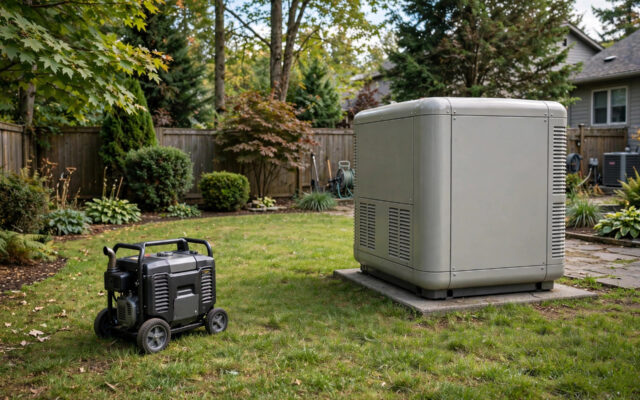
Portable vs Standby Generator: Cost, Runtime, Maintenance & Pros/Cons
Portable vs standby generator: $1,100-$5,000 vs $9,000-$20,000+ installed. Compare costs, runtime, maintenance, pros and cons, and which type wins for you.
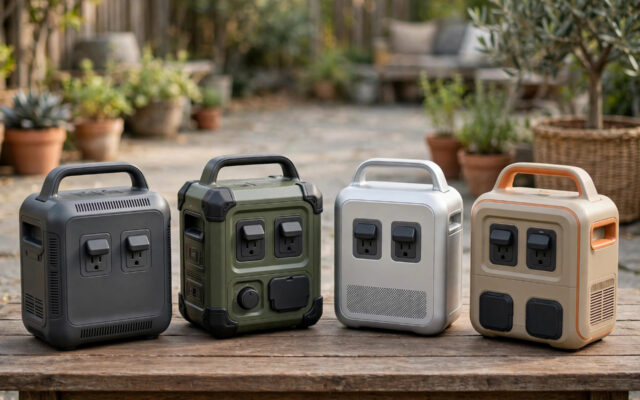
Jackery vs EcoFlow vs Bluetti vs Anker: Which Power Station Brand Is Best?
Jackery vs EcoFlow vs Bluetti vs Anker power stations compared on battery chemistry, charging speed, cycle life, and value. Includes the NMC vs LiFePO4 warning.