


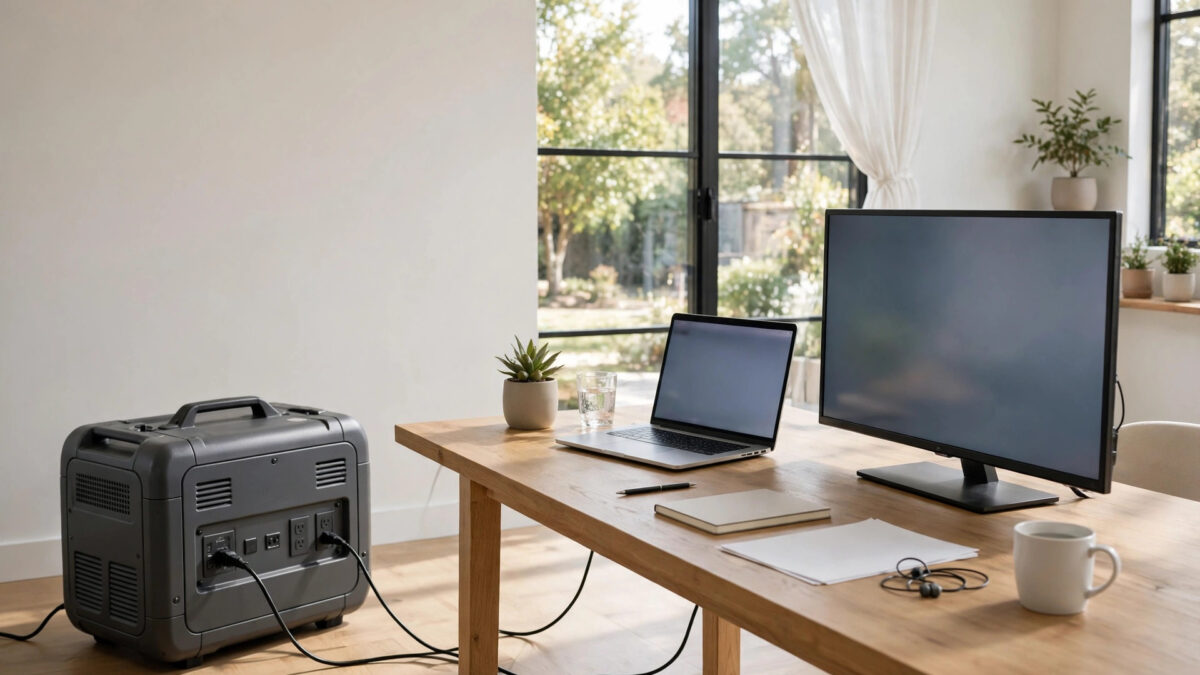
Generator THD — total harmonic distortion — measures how “clean” the electricity coming out of your generator is, expressed as a percentage. Lower is better: inverter generators typically produce under 3% THD, which is safe for laptops, phones, modern furnaces, and medical devices, while conventional generators often produce 6% to 25% THD, which can overheat motors, glitch electronics, and shorten appliance life. If you plan to power anything with a circuit board, THD is one of the most important specs on the generator’s data sheet.
Key Takeaways
- THD (total harmonic distortion) measures how closely a generator’s power matches a perfect sine wave — lower percentages mean cleaner power.
- Under 3% THD is considered clean enough for sensitive electronics; under 5% is generally fine for most household use; above 6% risks problems with electronics and motors.
- Inverter generators electronically synthesize a clean sine wave (typically <3% THD); conventional generators’ raw output is much dirtier (often 6–25% THD).
- Sensitive loads include computers, phones, TVs, modern furnaces, variable-speed motors, and medical devices — these deserve <3% THD power.
- Manufacturers publish THD in specs or manuals; if a listing omits it, treat the generator as conventional-grade power and verify before buying.
Generator THD Explained: What It Measures
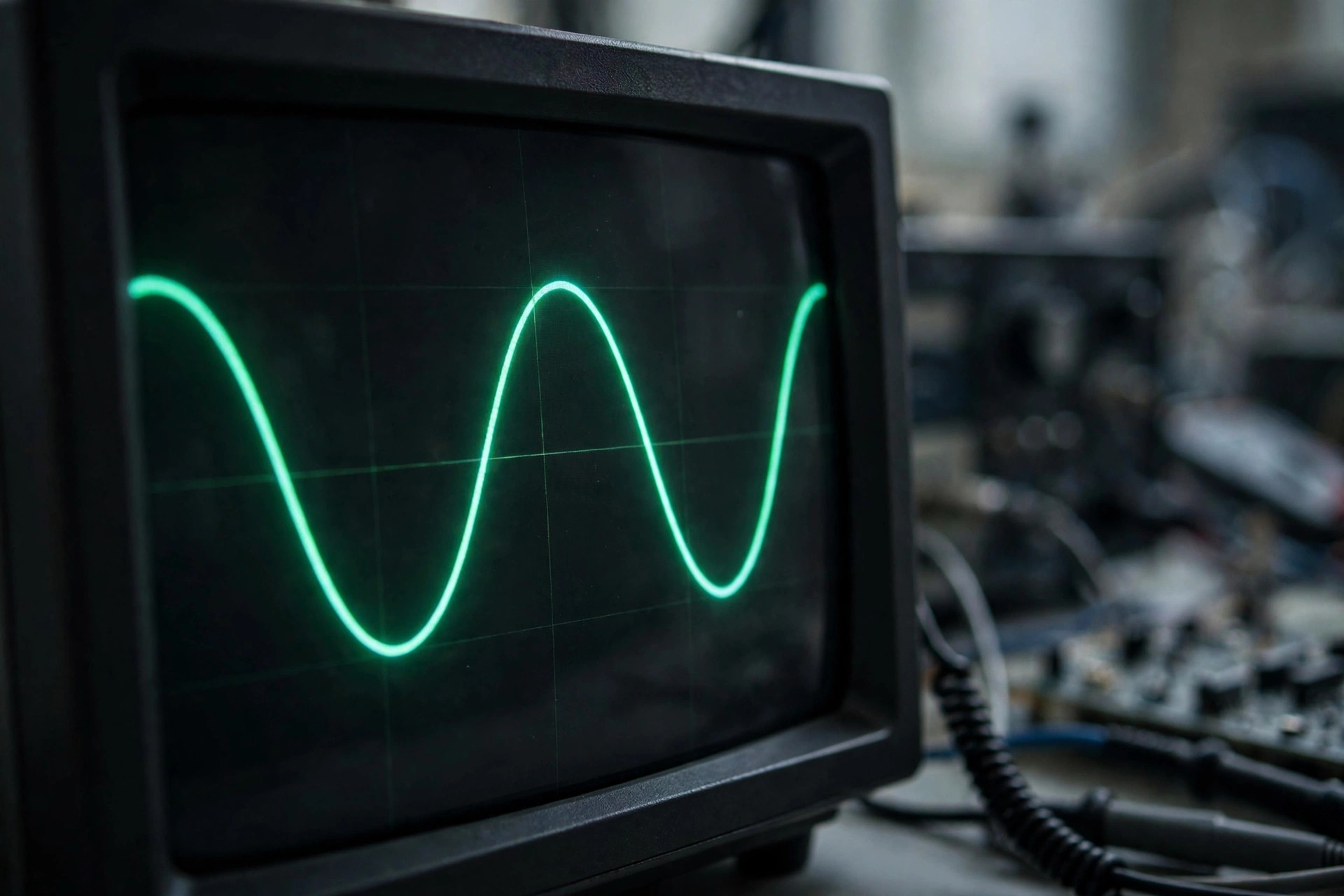
Total harmonic distortion is the standard engineering measure of how much a generator’s AC waveform deviates from a perfect sine wave. Utility grid power is a very clean sine wave — typically under 5% THD, often under 3%. A generator’s alternator or inverter tries to reproduce that wave, and THD quantifies the leftover distortion: unwanted extra frequencies riding on top of the fundamental 60 Hz signal. A THD of 3% means the distortion components total 3% of the fundamental’s magnitude; 20% means the waveform is visibly jagged and far from ideal.
Why does the shape of the wave matter? Because every appliance in your home was designed around clean sine-wave power. Motors expect smooth alternating current to spin efficiently; power supplies in electronics expect it to convert cleanly to DC. Feed them a distorted waveform and the extra harmonic energy turns into heat in motor windings and transformers, confuses timing circuits, and can cause power supplies to run hot or shut down. The dirtier the power, the shorter the life of what it feeds.
Generator THD Explained: The Three Tiers
THD specs fall into three practical tiers. These are widely used industry thresholds — manufacturers, electricians, and equipment makers all orient around them — so they are a reliable lens for comparing generators.
| THD tier | Typical source | Safe for |
|---|---|---|
| Under 3% — clean power | Inverter generators | Everything: laptops, phones, TVs, gaming consoles, modern furnaces, variable-speed HVAC, medical devices, battery chargers |
| 3–5% — acceptable | Better conventional units; grid power | Most household loads; fine for resistive loads (heaters, incandescent lights) and basic motors; use caution with the most sensitive electronics |
| Above 6% — dirty power | Typical conventional open-frame generators (often 9–25%) | Resistive loads and simple universal motors (power tools); risky for electronics, modern appliances with control boards, and induction motors run for long periods |
The under-3% tier is the one to remember. It is the threshold most electronics manufacturers implicitly design for, and it is the reason inverter generators dominate recommendations for home backup: their electronically synthesized sine wave consistently tests under 3% THD, often well under. A conventional generator’s THD, by contrast, varies with load and engine speed — it is typically worst at light loads, exactly when you might be running just a laptop and a phone charger.
Which Appliances Are Sensitive to Dirty Power?
Not everything cares about THD. A toaster, an incandescent bulb, or a basic space heater will happily run on ugly power all day — resistive loads simply turn whatever waveform they get into heat. Sensitivity rises with electronic complexity.
Highly sensitive: give these clean (<3%) power
Computers and laptops, smartphones and tablets on chargers, LED and smart TVs, gaming consoles, audio equipment, modern gas furnaces and boilers (their control boards are notoriously fussy), variable-speed HVAC systems and well pumps, pellet stoves, CPAP machines and other medical devices, and lithium battery chargers. If it has a microprocessor, a touchscreen, or a variable-speed drive, treat it as sensitive.
Moderately sensitive: acceptable on decent power, watch the heat
Refrigerators and freezers (compressor motors run hotter and less efficiently on distorted waveforms), microwave ovens (control boards plus a transformer), washing machines with electronic controls, and power tools with electronic speed control. These will usually function on conventional generator power, but long runtimes on very dirty power shorten their service life.
Not sensitive: run on anything
Resistive heating elements, incandescent and most basic lighting, and simple universal-motor tools (drills, saws) without electronic controls. These are the loads conventional generators were born to serve.
Inverter vs. Conventional Generators: Why the THD Gap Exists
The THD difference between generator types is architectural, not incidental. A conventional generator spins an alternator at a fixed 3,600 RPM and takes whatever waveform the spinning copper produces — the raw output reflects every imperfection of the engine’s rotation, and THD climbs as high as 20% or more on some units, especially at light load. An inverter generator takes a different path: it generates AC, converts it to DC, then electronically reconstructs a precise sine wave. That reconstruction step is what holds THD under 3% regardless of engine speed — and it is also why inverter generators can throttle their engines down at light loads without the power quality collapsing.
This is the technical reason behind the standard advice to buy an inverter generator for home backup in 2027: you are not just buying quieter operation and better fuel economy, you are buying power your furnace’s control board and your laptop will actually tolerate for a multi-day outage. Our comparison of inverter vs. conventional generators covers the full trade-off, but on THD alone, inverters win decisively.
How to Check a Generator’s THD Before You Buy
THD is a published spec on quality units — but not always where you expect it. Work through these checks:
Step 1: Read the spec sheet and manual
Look for a line like “THD < 3%” in the specifications or owner’s manual. Reputable inverter generator makers publish this proudly. If neither the listing nor the manual mentions THD, that silence is information: assume conventional-grade power quality until proven otherwise.
Step 2: Be skeptical of vague claims
Marketing phrases like “clean power,” “safe for electronics,” or “stable output” are not THD figures. Only a percentage — ideally measured per a stated standard and load — counts. We compared specifications across dozens of models for our 2027 roundups, and the trustworthy listings always state the number.
Step 3: Consider how you will verify in use
For the technically inclined, a plug-in power meter or an oscilloscope can confirm waveform quality, but most owners rely on the manufacturer’s spec plus real-world behavior: electronics that run without glitches, chargers that do not overheat, and motors that sound normal are all consistent with clean power. Persistent odd behavior — flickering UPS units, buzzing chargers, tripping electronics — warrants investigation.
Can You Clean Up Dirty Generator Power?
If you already own a conventional generator, you have a few options — with honest limits. A double-conversion (online) UPS between the generator and sensitive electronics will regenerate clean power and is the most effective fix for a home office setup; line conditioners and isolation transformers can help with moderate distortion but cannot turn 20% THD into 3%. The most reliable solution remains using the right generator for the load: run sensitive electronics from an inverter generator or a power station, and reserve the conventional unit for resistive loads and simple motors.
One caution: UPS units themselves can be picky about generator power. A UPS fed with highly distorted input may refuse to accept it and stay on battery, or chatter between sources. If your setup includes a UPS, test the generator-plus-UPS combination before an outage, not during one.
What is a good THD for a generator?
Do inverter generators have low THD?
Can a regular generator damage electronics?
How do I find my generator’s THD rating?
Will a surge protector fix high THD?
Is 5% THD safe for a refrigerator?
Conclusion
Generator THD explained in one sentence: it is the cleanliness grade of your generator’s electricity, and under 3% is the grade your electronics were designed for. For 2027 home backup, that single number settles most of the inverter-versus-conventional debate — if your outage plan includes a furnace, a home office, or any modern appliance with a control board, buy the clean power. Check the spec sheet for the actual percentage, be skeptical of marketing adjectives, and give your most sensitive loads the under-3% power they deserve. To see which models deliver it, browse our best inverter generators of 2027 roundup.

Related Guides
How Much Does It Cost to Run a Generator Per Hour? Fuel Cost Calculator
Running a generator costs $0.35-$7+ per hour by size and fuel type. Use our simple calculator formula and fuel cost tables to estimate your exact cost.

Bonded vs Floating Neutral on Generators: What’s the Difference?
Bonded vs floating neutral generator explained: what each means, the one-bond rule, which setup your transfer switch needs, and how to check your own unit.
Generator Noise Laws by Location: Are Generators Legal in Residential Areas?
Generator noise laws vary by city: typical residential decibel limits, quiet hours, HOA rules, and how a quiet inverter generator keeps you compliant.